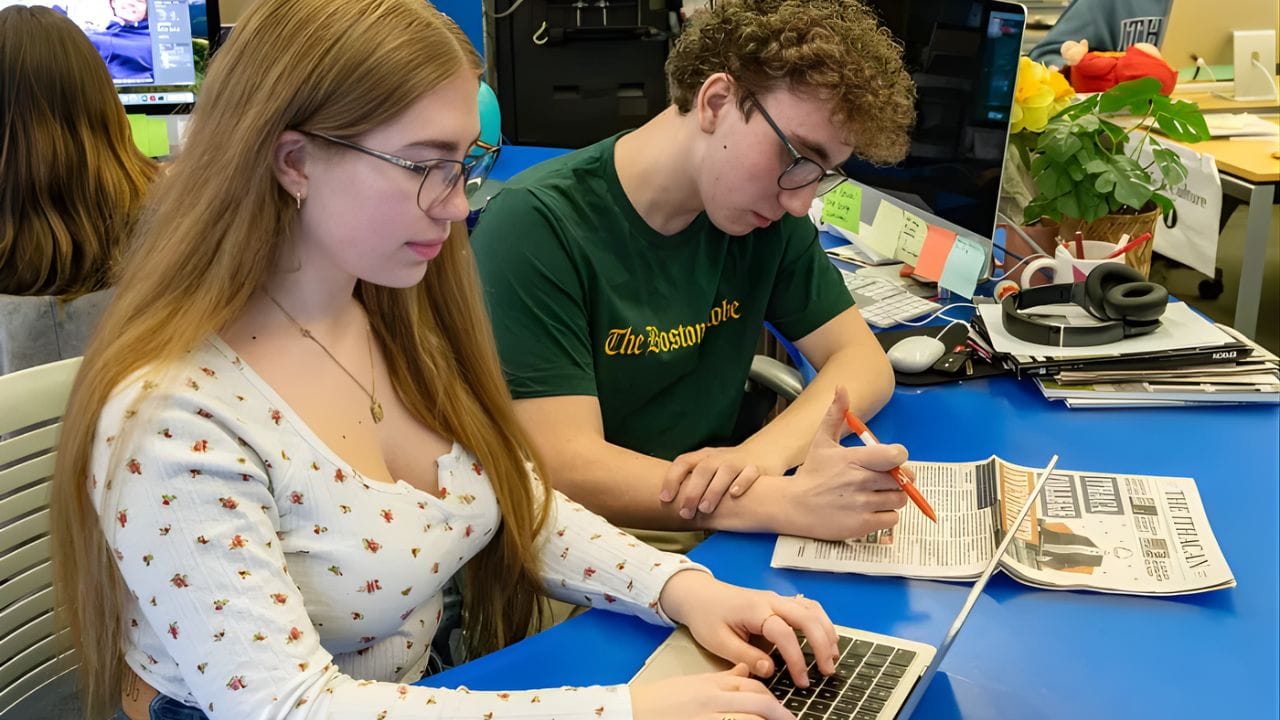
Student reporters are often the unsung heroes of campus life. While university officials make policies and faculty lead lectures, it’s the student press that keeps a watchful eye on everything in between. From exposing administrative failures to spotlighting student achievements, campus journalists provide a critical service – one rooted in accountability, transparency, and truth.
In an era where misinformation spreads quickly and institutional narratives dominate headlines, student reporters offer a counterbalance. They are closer to the ground, more connected to the student body, and often willing to ask the questions others won’t. Their work shapes how campus communities see themselves – and how they’re seen from the outside.
Watchdogs
The core function of student journalists is to act as watchdogs. Just like mainstream reporters covering government institutions, student reporters monitor the actions of university leadership.
When tuition increases, when policies shift, or when scandals break, it’s usually student journalists who are first on the scene. They attend board meetings, review public documents, and question authority. This work holds those in power accountable – and reminds them that students are paying attention.
In some cases, their investigations go well beyond the campus. There have been numerous examples of student-run publications breaking stories that later gained national coverage.
Storytellers
While investigations are important, student reporters are also storytellers. They cover student life in all its complexity – the clubs, performances, sports, protests, and personal challenges that define the college experience.
These stories matter. They document the culture of a university at a moment in time. They give voice to underrepresented students and celebrate achievements that might otherwise go unnoticed.
Unlike traditional media outlets, student publications don’t need to chase national trends or advertiser clicks. Their focus is local and personal, which allows for deeper and more meaningful storytelling.
Educators
Student journalism is also an educational experience in itself. It teaches students how to research, fact-check, write clearly, and communicate under pressure. These are transferable skills that benefit any future profession – not just those in media.
Newsrooms on campus are classrooms in their own right. Senior editors mentor new writers. Deadlines teach time management. Ethics debates sharpen critical thinking. And feedback from readers, both positive and negative, builds resilience.
Barriers
Despite its value, student journalism faces serious challenges. University administrations sometimes censor or restrict coverage, especially when reporting could reflect poorly on the institution. Funding cuts and a lack of faculty support can also hinder operations.
Here’s a snapshot of common issues:
| Barrier | Effect on Student Journalism |
|---|---|
| Censorship | Limits on critical reporting |
| Budget constraints | Reduced print runs and tech resources |
| Lack of recognition | Low support from university leadership |
| Digital demands | Pressure to adapt with limited training |
| Legal risks | Exposure to defamation or policy action |
Despite these obstacles, student reporters persist. Their determination is often driven by a deep sense of purpose – the belief that truth matters, and that their peers deserve honest, thorough coverage.
Evolution
Student journalism is no longer limited to printed newspapers handed out on campus. The modern student reporter might publish breaking news on Twitter, upload a podcast interview to Spotify, or livestream a protest to Instagram.
These digital tools have expanded reach and relevance. More students engage with the news when it’s presented where they already spend time – on their phones and social platforms.
But with new tools come new responsibilities. Student journalists must navigate issues like online harassment, disinformation, and rapid news cycles, all while maintaining journalistic integrity.
Legacy
Many professional journalists got their start on a student newspaper. More importantly, many lifelong thinkers, advocates, and leaders first found their voice through reporting on campus.
Universities benefit from a strong student press. It creates informed citizens, preserves institutional memory, and helps build a culture of transparency.
In a world where public trust in media is under strain, student journalism stands out as one of the last places where the mission is still clear: inform, engage, and hold power to account. That’s why student reporters matter – now more than ever.
FAQs
Why are student reporters important?
They provide accountability and tell untold campus stories.
What challenges do they face?
Censorship, low funding, and digital pressures are key issues.
What skills do students gain?

Research, writing, ethics, time management, and resilience.
How is student journalism evolving?
It now includes podcasts, social media, and live reporting.
Do student stories impact real change?
Yes, they often lead to reforms and national coverage.