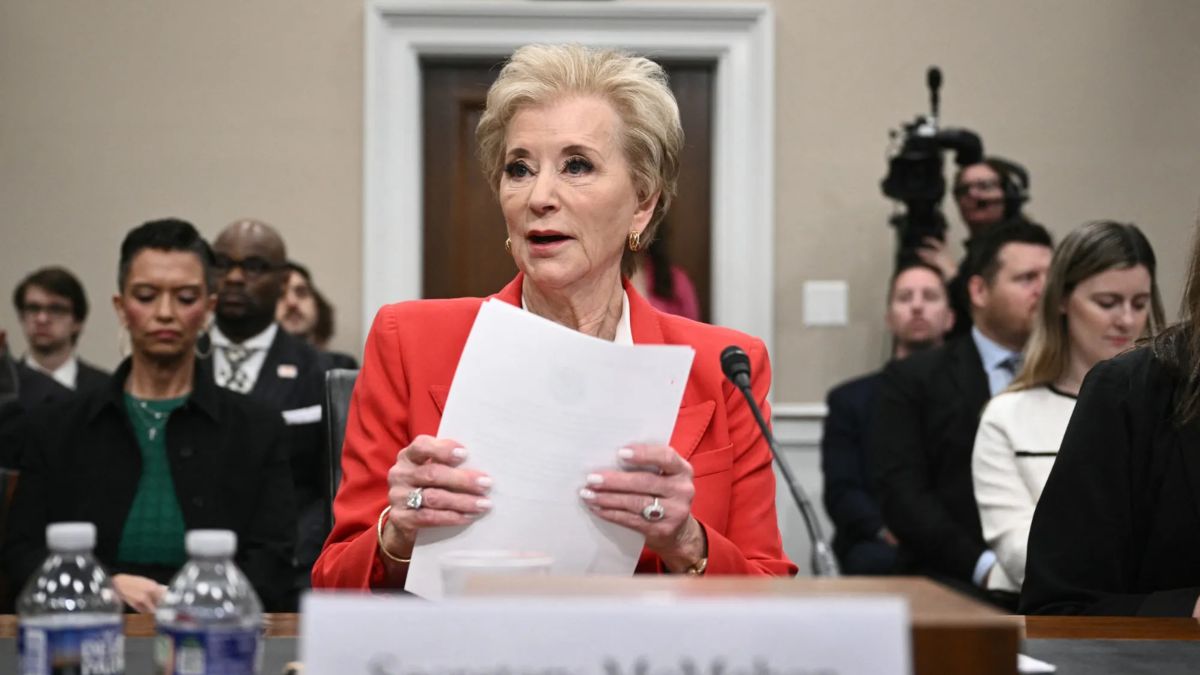

Campus newspapers and student media often begin with a straightforward purpose – reporting events, publishing announcements, and sharing information about campus activities. While these updates are useful, journalism within universities can move far beyond covering club meetings or festival schedules. Serious campus journalism focuses on deeper reporting, careful analysis, and responsible storytelling that contributes to a well-informed academic community.
When student reporters expand their coverage beyond routine updates, campus media begins to play a more meaningful role. It becomes a platform where policies, decisions, and concerns affecting students are examined with context and clarity. In this sense, campus journalism serves both as a communication tool and as a training ground for future journalists.
Purpose
Serious campus journalism serves an educational and informational purpose. It helps students understand not only what is happening on campus but also why it matters.
For instance, when student reporters examine issues such as tuition adjustments, campus safety policies, or changes in academic programs, they help readers understand the broader context. Instead of simply reporting that a decision has been made, they explore the reasons behind it and the possible effects on students and faculty.
This approach encourages thoughtful discussion within the campus community. Readers may begin to ask questions such as: What factors led to this decision? How will it affect different groups of students? What perspectives should be considered?
Through this process, campus journalism supports informed participation in university life.
Role
Student journalists perform several important roles within their institutions. They gather information, verify facts, and present stories that reflect different viewpoints within the campus community.
Just as in professional newsrooms, student reporters are expected to interview sources, review documents, and present accurate accounts of events. Editors oversee the process to ensure clarity, fairness, and consistency.
The following table outlines common roles within campus journalism teams.
| Role | Responsibility | Contribution |
|---|---|---|
| Reporter | Collects information and writes stories | Provides campus news |
| Editor | Reviews and edits articles | Maintains editorial standards |
| Investigator | Examines complex issues | Encourages transparency |
| Photographer | Captures visual documentation | Supports storytelling |
These roles help create a structured newsroom environment where students learn how journalism functions in practice.
Impact
When practiced responsibly, campus journalism can influence discussion and awareness within universities. Reporting on policy changes, student concerns, or administrative decisions often encourages dialogue between students, faculty, and administrators.
Historically, student newspapers have reported on matters such as housing conditions, student services, and institutional policies. In many cases, these reports have prompted further review or discussion within the university.
The goal is not confrontation but clarity. By presenting verified information and multiple perspectives, campus journalism contributes to a more transparent academic environment.
Challenges
Student journalists frequently work with limited resources. Campus media organizations often rely on small editorial teams, volunteer contributors, and modest funding.
In addition to newsroom responsibilities, student reporters must also manage academic coursework and other commitments. Meeting deadlines while maintaining accuracy can therefore be demanding.
Another challenge involves maintaining editorial independence. Some campus publications receive institutional support, which requires careful editorial judgment to ensure that reporting remains fair and balanced.
Despite these constraints, many student journalists approach their work with a strong commitment to responsible reporting.
Ethics
Ethical standards are central to credible journalism, including at the campus level. Student reporters are expected to follow basic principles such as accuracy, fairness, and transparency.
This includes verifying information before publication, attributing sources clearly, and avoiding conflicts of interest. Ethical reporting also involves presenting different viewpoints and avoiding unnecessary speculation.
Respect for privacy and responsible handling of sensitive topics are equally important. These practices help maintain trust between campus media and the communities they serve.
For many students, the campus newsroom is where they first learn how professional journalism standards are applied in real reporting situations.
Development
Participation in campus journalism provides students with practical experience that extends beyond the classroom. Reporting assignments require research, interviewing, fact-checking, and careful writing.
These experiences build skills that are valuable in many professional fields, including journalism, communications, law, and public policy. Students also learn how to collaborate within editorial teams and respond to feedback.
At the same time, the campus community benefits from having a reliable source of information. Consistent and accurate reporting helps students stay informed about decisions and developments that affect their academic environment.
In this way, serious campus journalism strengthens both student learning and institutional communication.
Campus journalism is not limited to reporting announcements or event schedules. When practiced with responsibility and context, it becomes a valuable part of university life. Through careful reporting and balanced coverage, student journalists contribute to a more informed and engaged campus community while gaining experience that prepares them for future professional roles.
FAQs
What is campus journalism?
Student-led reporting about campus issues and events.
Why is campus journalism important?
It informs students and promotes accountability.
Who runs campus newspapers?

Mostly students with faculty guidance.
What skills do student journalists gain?
Research, writing, interviewing, and ethics.
Can campus journalism influence change?
Yes, reporting can lead to discussions and reforms.