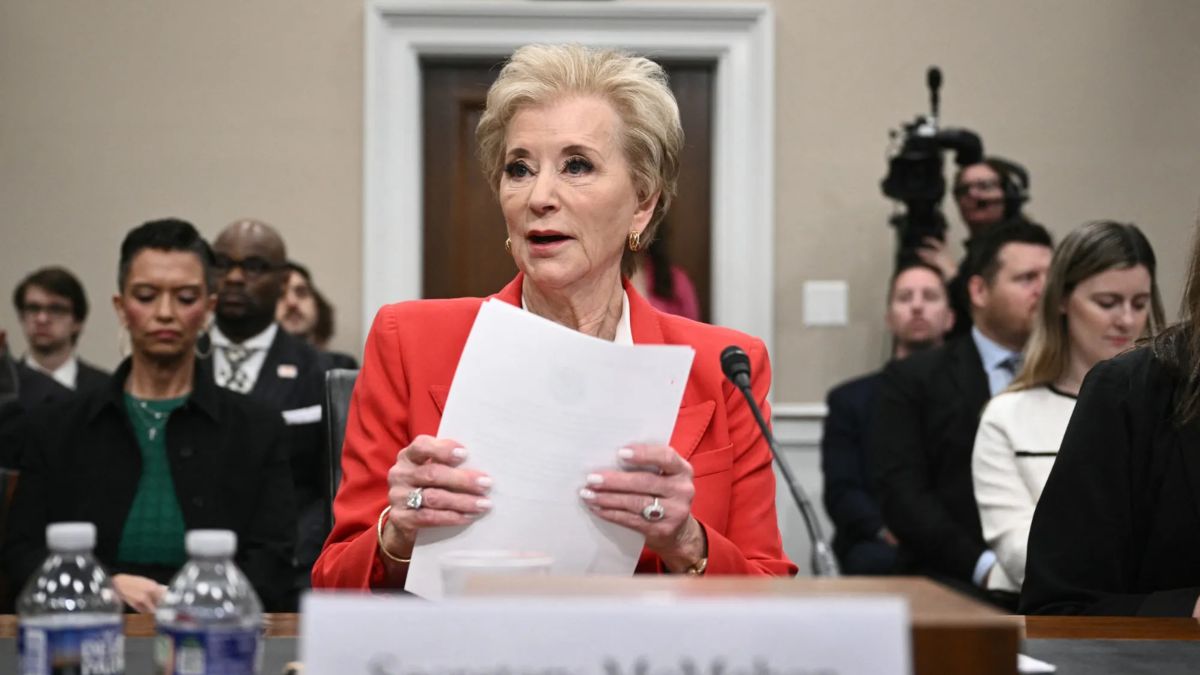

Universities are not only centers of learning but also complex institutions where policies, governance, and decision-making directly influence the academic community. Within this structure, campus coverage plays an important role. Student newspapers, digital publications, campus radio, and institutional media platforms report on policies, decisions, and developments that affect university life.
This reporting provides information to students, faculty, and staff while also encouraging transparency in administrative processes. Over time, consistent and responsible campus coverage can contribute to meaningful administrative reform by increasing awareness and promoting dialogue within the university community.
Coverage
Campus coverage refers to journalism and reporting that focus specifically on issues within a university or college environment. This includes stories about administrative decisions, financial policies, campus safety, academic programs, and student affairs.
Unlike mainstream media, campus coverage focuses on local academic concerns. Student journalists and campus reporters often have direct access to the university environment, allowing them to observe issues closely and report them with contextual understanding.
For example, coverage may include reporting on tuition adjustments, changes in academic regulations, campus infrastructure projects, or updates in student services. By documenting these developments, campus media serve as an information channel connecting university leadership with the broader campus population.
Transparency
One of the most notable contributions of campus coverage is the promotion of transparency. Universities manage significant financial resources and make policy decisions that affect thousands of individuals. When campus media report on these activities, they help ensure that information is accessible to the university community.
Transparent communication allows students and staff to better understand administrative decisions. When policies are explained clearly through campus reporting, misunderstandings are reduced and trust between administrators and the academic community can improve.
For instance, if a university announces adjustments to tuition or housing policies, campus media coverage can present details, provide background information, and include perspectives from both administrators and students.
Example Areas Covered by Campus Media
| Area | Type of Coverage | Impact |
|---|---|---|
| Tuition changes | Investigative reporting | Encourages financial transparency |
| Campus safety | Incident reports | Supports policy improvements |
| Faculty hiring | News and analysis | Promotes fair recruitment practices |
| Student services | Feedback stories | Highlights service quality |
Through such reporting, campus media help make administrative actions more visible and understandable.
Accountability
Campus coverage also contributes to accountability within university administration. When policies and decisions are documented and analyzed publicly, administrators are encouraged to explain their reasoning and consider the broader impact of their actions.
Accountability does not necessarily imply conflict between media and administration. Instead, it creates a system where decisions are communicated clearly and evaluated through informed discussion.
For example, if concerns arise about campus housing shortages or budget allocations, campus media can gather information, interview stakeholders, and present findings to the university community. This process often encourages administrators to review policies or clarify decisions.
In this way, campus coverage helps maintain a balanced system where leadership remains responsive to the needs of students and staff.
Engagement
Another effect of campus coverage is increased community engagement. When information about administrative decisions becomes widely available, students and faculty are more likely to participate in discussions about campus governance.
Engagement can occur through several channels such as public forums, student government meetings, or digital discussions on university platforms. Media reports often provide the starting point for these conversations by presenting facts and background information.
When members of the university community understand the context of a policy change, they are better prepared to provide constructive feedback. This exchange of information and opinion can influence how reforms are designed and implemented.
Reform
Administrative reform in universities usually develops gradually. Changes in policies or governance structures often follow periods of evaluation, consultation, and discussion. Campus coverage contributes to this process by highlighting areas that require attention.
For example, reporting about outdated facilities, limited student services, or gaps in academic resources may prompt administrators to review existing policies. Over time, these reviews can lead to improvements in infrastructure, budgeting priorities, or support programs.
The relationship between coverage and reform can be summarized as follows.
| Stage | Role of Campus Coverage | Result |
|---|---|---|
| Issue discovery | Reporting identifies concerns | Increased awareness |
| Public discussion | Media coverage encourages dialogue | Community input |
| Administrative response | Leaders address reported issues | Policy review |
| Reform implementation | Media track developments | Continued oversight |
This process illustrates how information sharing can influence institutional development.
Challenges
Despite its value, campus coverage also faces several challenges. Student media organizations may operate with limited financial resources and staff. In some cases, campus publications depend on university funding, which can create concerns about editorial independence.
Another challenge relates to the rapid spread of information through digital platforms. Online media allow campus news to reach wider audiences quickly, but they also require careful fact-checking and responsible reporting.
Maintaining professional standards, verifying sources, and presenting balanced perspectives are essential for campus media to remain credible and effective.
Future
The future of campus coverage is increasingly connected to digital communication. Many campus publications now rely on websites, podcasts, and social media platforms to distribute news and updates.
These digital tools allow campus stories to reach students, alumni, and external audiences more easily. They also enable faster communication between reporters and readers.
As universities continue to evolve, campus media will likely remain an important part of the academic environment. By documenting policies, explaining decisions, and providing space for discussion, campus coverage supports informed participation in university governance.
Campus coverage plays a steady and meaningful role in shaping administrative reform within higher education. Through accurate reporting and contextual analysis, campus media provide transparency, encourage accountability, and support dialogue across the university community. When information is shared responsibly and consistently, it strengthens institutional communication and contributes to thoughtful policy development.
FAQs
What is campus coverage?
News and reporting focused on university activities and policies.
Why is campus journalism important?
It promotes transparency and accountability in universities.
Can campus media influence reforms?

Yes, reporting often pushes administrations to review policies.
Who produces campus coverage?
Mostly student journalists, campus media teams, and reporters.
Does digital media affect campus reporting?
Yes, online platforms expand reach and speed of news sharing.