Universities play a central role in shaping the next generation of journalists. These institutions act as training grounds, where theory meets real-world application, and students develop the technical, ethical, and critical skills required to work in today’s fast-paced news environment.
From foundational writing skills to multimedia production, journalism programs are designed to prepare students for a constantly evolving media landscape.
Foundations
A strong foundation is essential for any journalist. University journalism programs begin with the basics: news writing, grammar, reporting principles, and media ethics. These courses build the core skill set that every journalist needs to produce accurate, concise, and responsible work.
Students also study media law, research methodology, and digital literacy. These subjects help students understand the legal framework within which journalism operates and how to distinguish credible sources from misinformation. With the rise of fake news, such training is more important than ever.
Practice
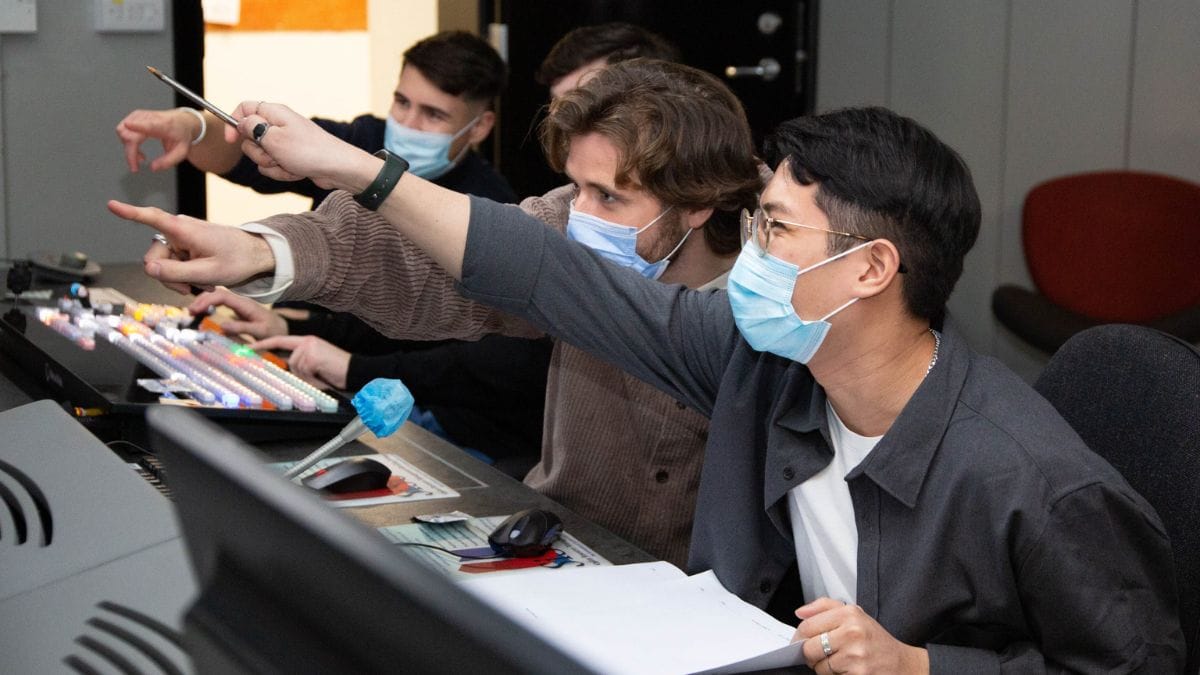
Learning the theory behind journalism is only part of the education. Practical experience is equally important. Most journalism programs include student-run newspapers, radio stations, and digital news platforms. These give students the chance to report on real stories, handle deadlines, and receive editorial feedback.
Internships are another key part of this hands-on training. With guidance from faculty, many students secure placements at local or national media outlets. These internships provide a closer look at the pressures and expectations of professional journalism, while also helping students build portfolios and professional networks.
Technology
The news industry has undergone major technological changes, and journalism schools have adapted. Today, students are expected to learn a variety of multimedia tools. These include video shooting and editing, podcast production, mobile reporting, and managing content across digital platforms.
Some programs go further, offering courses in data journalism, audience analytics, and even basic coding. The modern journalist needs to be more than a writer – they need to be comfortable with technology, understand digital trends, and know how to present stories in multiple formats.
Mentors
One of the most valuable resources in journalism education is the faculty. Most journalism professors have years of experience in the field. They bring current knowledge, professional insight, and industry standards into the classroom. Their real-world experience helps students understand how academic lessons apply to professional practice.
Beyond classroom teaching, many professors serve as mentors. They assist students in developing story ideas, preparing job applications, and building long-term career strategies. These relationships often extend beyond graduation, providing ongoing support in a competitive industry.
Integrity
Journalism relies on trust. As such, ethical instruction is a core part of any journalism curriculum. Courses in journalism ethics focus on accuracy, fairness, accountability, and the public interest. Students are taught to question sources, verify facts, and approach stories with both skepticism and sensitivity.
These programs also address how to report on sensitive subjects, navigate bias, and ensure that marginalized voices are represented. The goal is not only to teach students how to report but also why responsible reporting matters.
Challenges
Journalism education faces several challenges. Some programs struggle to keep pace with industry changes or lack diversity in faculty and content. Others may not provide enough training in freelancing, entrepreneurial reporting, or niche media coverage.
Still, many institutions are actively updating their curricula. They are integrating digital skills, launching entrepreneurial journalism tracks, and emphasizing flexibility in career planning. These changes reflect the broader shifts in the journalism industry and the need for adaptable professionals.
Impact
The impact of journalism education is felt far beyond university walls. Graduates go on to work in print, digital, and broadcast news, but also in public relations, communications, nonprofit advocacy, and media analysis. Their work shapes public opinion, informs communities, and supports democratic institutions.
Universities continue to play a crucial role in preparing journalists who are informed, ethical, and ready to tackle complex stories. In an age when information can be easily distorted or weaponized, that role is more important than ever.
FAQs
Why study journalism at university?
To build skills, ethics, and real-world experience in reporting.
Do journalism students get hands-on experience?
Yes, through campus media and internships.
What tech skills do students learn?

They learn video editing, podcasting, data tools, and social media.
Are journalism professors experienced?
Most are former or active journalists with industry knowledge.
Is journalism still a good career?
Yes, with evolving roles in digital and freelance media.