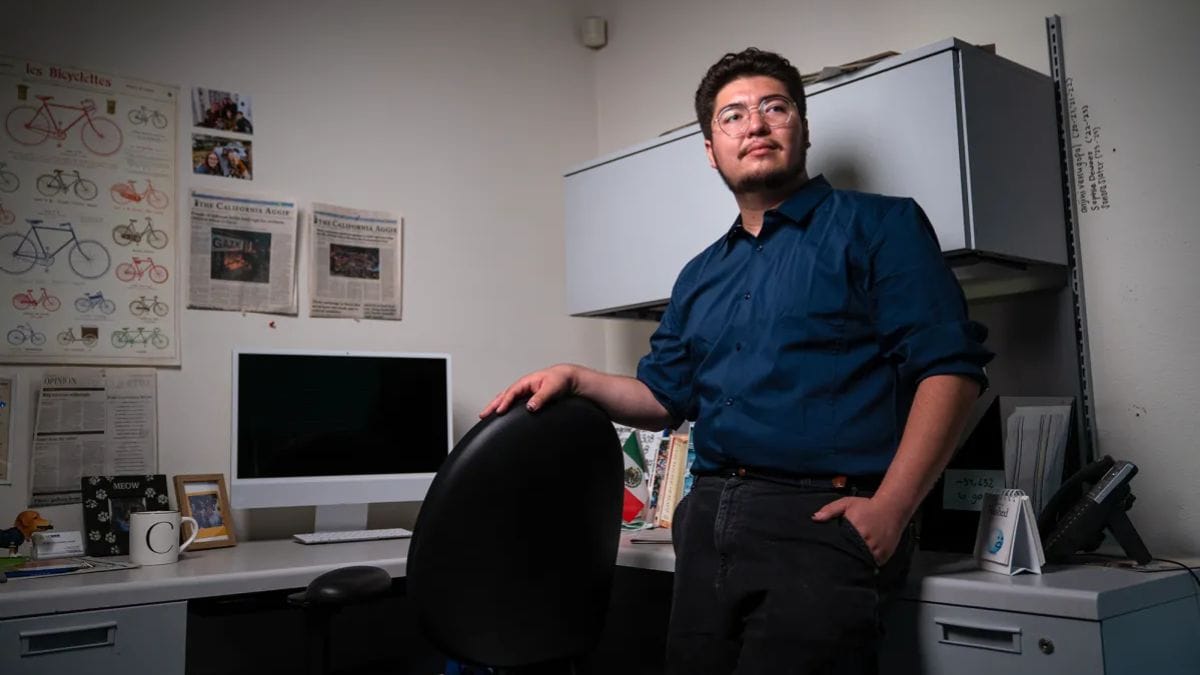
Student journalists may not always receive widespread recognition, but their influence runs deep within the walls of educational institutions. They attend board meetings others ignore, investigate decisions that affect their peers, and publish stories that challenge authority.
These student reporters often serve as the first and sometimes only line of accountability within their schools. Quietly but persistently, they hold institutions to their promises and policies, often becoming the watchdogs their campuses never knew they needed.
Responsibility
Student reporters carry a unique burden. While balancing academics and part-time jobs, they’re also expected to uphold journalistic integrity, verify facts, and publish stories that may cause friction within the university. The stakes are high, not just for their own reputations, but for the credibility of the student publication as a whole.
They report on tuition hikes, administrative changes, campus safety issues, and student activism. These aren’t soft assignments – they require accuracy, sensitivity, and often, boldness. The responsibility to inform the student body isn’t just an exercise in writing. It’s about truth-telling in spaces where transparency isn’t always a given.
Watchdogs
University administrations are not immune to controversy. Over the years, student reporters have been responsible for uncovering numerous stories ranging from financial mismanagement to racial discrimination and academic dishonesty. While many expect such revelations from national media, it’s often student journalists who break the story first.
In some cases, university newspapers have forced resignations, prompted investigations, and brought about significant policy changes. These results don’t come from sensationalism but from months of interviews, document requests, and a relentless pursuit of facts. Student journalists serve as watchdogs who refuse to look away when something seems wrong.
Challenges
Reporting on one’s own institution comes with complications. Unlike professional journalists, student reporters often live, study, and socialize with the people they cover. That closeness can make objective reporting more difficult. They also face unique pressures, such as intimidation from school officials, threats to funding, or backlash from their peers.
Censorship is a major issue. Some student publications lack editorial independence and must submit to prior review from university administrators. Even in more autonomous environments, the fear of backlash can lead to self-censorship. These obstacles test the resolve of student journalists, but they also shape their ability to navigate ethical dilemmas in the real world.
Training
Despite the challenges, the campus newsroom is one of the best training grounds for future journalists. Here, students learn how to fact-check, conduct interviews, write under pressure, and understand the ethics of journalism. Unlike classroom simulations, the consequences of campus reporting are real – a fact that accelerates learning and accountability.
Many student journalists graduate with experience covering breaking news, public records investigations, and editorial leadership. This hands-on exposure often gives them an advantage when entering professional newsrooms.
Recognition
While student journalism can have serious impact, it doesn’t always get the recognition it deserves. Student reporters often work long hours for little or no pay, motivated primarily by their commitment to truth and public service. Their work is regularly overshadowed by national outlets, even when they’ve done the foundational reporting.
However, that tide is changing. Increasingly, student journalism is being cited in national publications, and student reporters are winning awards for their investigations. These acknowledgments help validate their contributions and reinforce the importance of campus-based journalism.
Resilience
One defining trait of student reporters is their resilience. Despite limited resources, high turnover, and constant academic pressures, they continue to publish important work. Many operate in newsrooms that rely on volunteer staff or minimal funding. Yet, week after week, the stories go live, covering everything from student government to systemic failures within the institution.
This resilience isn’t just admirable – it’s essential. Without it, many campuses would lack any form of media scrutiny. It’s the quiet persistence of student journalists that keeps important issues in the spotlight long after the protests have faded or the headlines have shifted.
Future
The work of student journalists today sets the tone for the journalists of tomorrow. By holding their institutions accountable, they gain not only skills but a deep understanding of the role journalism plays in a democratic society. Many of them go on to become influential voices in professional media, carrying with them the principles they learned in their early reporting days.
Student journalism, when allowed to flourish, can transform campuses into more transparent, responsive, and equitable communities. And the reporters behind it – though often overlooked – are among the most important contributors to that change.
FAQs
What do student reporters cover?
They report on campus news, policy issues, and student concerns.
Are student journalists independent?
Some are, but many face pressure from school administrators.
Why is student journalism important?

It holds campuses accountable and informs the student body.
What skills do student reporters learn?
They learn research, writing, ethics, and investigative reporting.
Do student reporters influence change?
Yes, their work has led to reforms and public accountability.