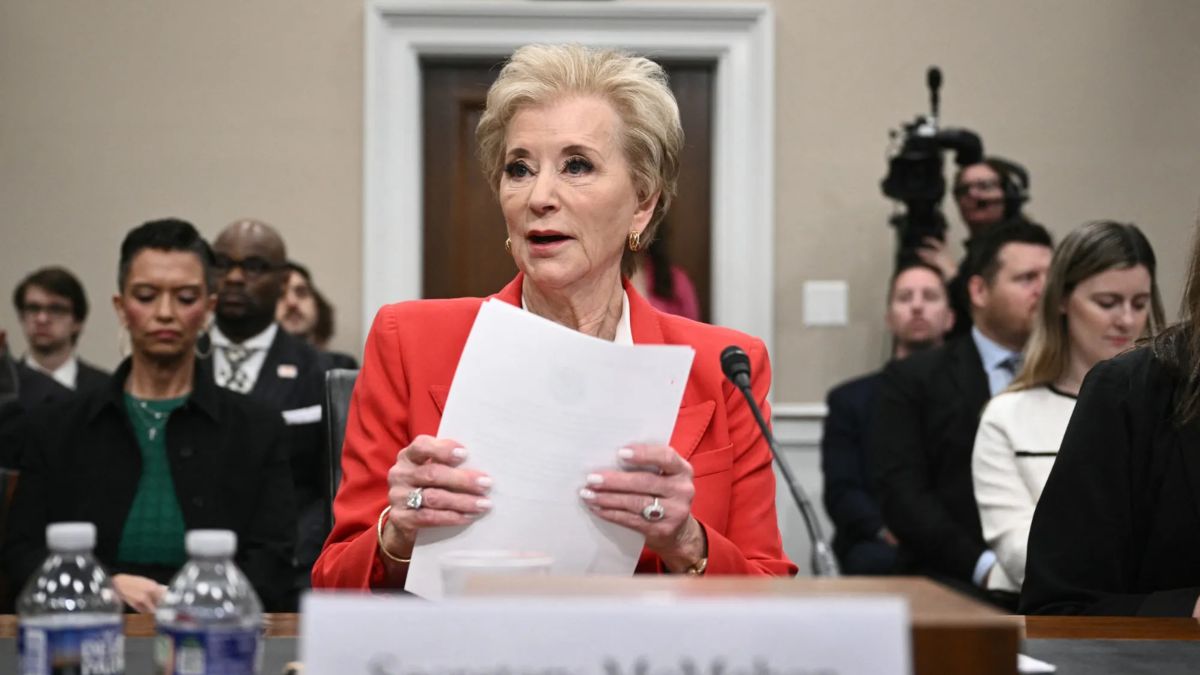

Inside college campuses, where the future intersects with tradition, student journalists are often the first to ask questions, report events, and uncover truths that might otherwise go unnoticed.
While they may not have years of professional experience or access to national platforms, student reporters play a vital role in ensuring transparency and accountability within their institutions. When no one else is paying attention, student journalists usually are. Here’s a closer look at why student journalism continues to be the first line of truth.
Beginnings
Every journalist starts somewhere. For student reporters, that beginning usually happens inside a lecture hall, dorm room, or student newsroom. They learn by covering real events, often juggling reporting with coursework and part-time jobs. They attend campus meetings, interview fellow students, and publish their stories on tight deadlines.
Though these journalists are still learning, their stories carry weight. Student publications frequently cover topics like campus protests, administrative decisions, and student concerns. It’s not just preparation for a future career. Their work already impacts the present.
Access
Student journalists have unique access that national and even local reporters typically don’t. They live, study, and work within the communities they report on. This gives them not just proximity, but also context and insight that outsiders may lack.
They hear the hallway conversations, feel the mood on campus, and know what matters most to their peers. This level of immersion allows student journalists to capture stories with depth and authenticity that broader media coverage might miss.
Independence
Many student newspapers operate under the umbrella of their universities, but they strive for editorial independence. This separation is critical. Without it, a student newspaper risks becoming a public relations tool rather than a journalistic entity.
In some cases, student reporters face institutional pressure, threats to funding, or administrative interference. Yet, those who persist often publish stories that challenge authority and provoke important campus dialogue. The ability to operate independently builds credibility, both among peers and in the broader public.
Impact
Despite their limited resources, student journalists often break important stories. Some have uncovered cases of misconduct, brought attention to mental health crises, or pushed for reforms in campus policies.
These stories can have far-reaching consequences. They influence university leadership, drive policy changes, and attract media coverage beyond the campus. In many cases, student journalists are the ones pushing issues into the spotlight when others remain silent.
Pressure
The work is not without challenges. Student journalists must manage academic responsibilities, part-time jobs, and personal lives, all while maintaining high standards of reporting. In addition, they may face criticism from administrators, peers, or even national audiences if their work gains broader attention.
Despite these pressures, many students continue their reporting because they understand its value. They know that, without their voices, key issues might go unnoticed.
Training
Student newsrooms are not just publishing platforms. They are also training grounds. Reporters learn the fundamentals of journalism, including interviewing, research, ethics, and editing. Editors gain leadership experience. Designers, photographers, and video editors develop technical and creative skills.
Perhaps most importantly, student journalists learn resilience. They learn how to handle corrections, meet deadlines, and respond to criticism – all essential skills in a journalistic career.
Relevance
In an era when public trust in the media is fragile, student journalism remains refreshingly transparent. These reporters are not motivated by clicks or profit. They are motivated by a sense of duty to their peers and institutions.
Their content may not always have polished headlines or high-end production, but it is real, timely, and relevant. This authenticity keeps student journalism meaningful on campus and increasingly recognized off campus as well.
Table
Here’s a comparison between student journalism and mainstream journalism:
| Feature | Student Journalism | Mainstream Journalism |
|---|---|---|
| Audience | Campus community | National or local audience |
| Access | Direct to students/admins | Limited to public info |
| Funding | University or ad-supported | Corporate or subscription |
| Independence | Varies by institution | Usually editorially independent |
| Focus | Campus and youth issues | Broad societal coverage |
| Motivation | Truth and learning | Truth and profitability |
Student journalism is not a hobby. It is a vital part of campus life and a foundation of democratic engagement within educational institutions. These reporters are not just students.
They are documentarians of their time and place, capturing the stories that shape university life and, occasionally, influence broader societal change. When seeking the first draft of truth on campus, look no further than the student press.
FAQs
What is student journalism?
It’s journalism done by students, usually on campus issues.
Why is it important?
It holds schools accountable and informs students.
Do student journalists face risks?

Yes, including censorship, backlash, or funding loss.
Is student journalism real reporting?
Absolutely. Many break major stories and influence change.
How does it differ from mainstream media?
It’s closer to campus issues and often more personal.