
Campus media is more than student newspapers, podcasts, or radio stations. It serves as a training ground where students refine their ability to analyze, question, and communicate effectively. Whether it’s writing editorials, reporting campus news, or producing multimedia content, these experiences shape how students think and engage with the world around them.
Let’s look into how participation in campus media strengthens critical thinking among students in practical and lasting ways.
Expression
Campus media allows students to articulate their views clearly and confidently. Whether through articles, interviews, or scripted segments, they learn to organize their thoughts, use evidence, and present arguments logically.
This process strengthens their ability to analyze issues and communicate ideas in a coherent and structured way. Developing a public voice encourages careful reflection, not just opinion-sharing.
Research
Effective reporting demands accuracy. Students working in campus media often need to investigate stories, verify facts, and consult multiple sources. These steps naturally cultivate analytical thinking and skepticism.
They begin to ask deeper questions, identify misinformation, and assess the reliability of sources. Over time, this habit of evidence-based thinking becomes second nature.
Debate
Editorial content, panel discussions, and op-eds often introduce contrasting views. When students engage with opposing opinions, it challenges them to reconsider their own positions and think more critically.
Exposure to diverse perspectives promotes respectful dialogue. Rather than reacting emotionally, students learn to evaluate arguments and respond thoughtfully.
Pressure
Deadlines and expectations bring a sense of urgency. Producing media content under time constraints requires fast yet thoughtful decision-making. Students must plan, revise, and publish responsibly.
This pressure helps them prioritize information, refine their thinking, and take ownership of their words. Being accountable for published content strengthens focus and precision.
Collaboration
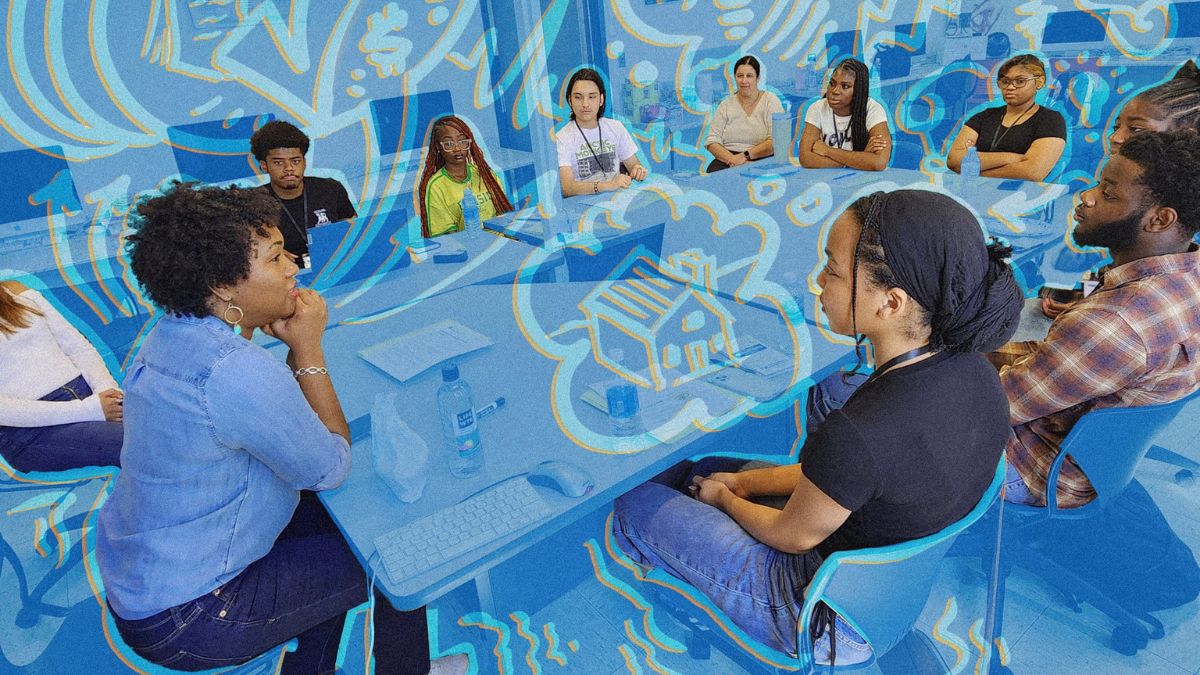
Most student media projects are team efforts. Writers, editors, designers, and producers must coordinate to deliver quality work. This dynamic teaches compromise, critical listening, and constructive feedback.
Collaborating with others helps students question assumptions and build ideas collectively. These interactions deepen critical engagement with both content and process.
Realism
Unlike classroom assignments, campus media projects have public impact. Mistakes are visible, and so is excellent work. This real-world context motivates students to think more carefully about their output.
They experience the consequences of misinformation, the importance of neutrality, and the challenge of balancing opinion with evidence. It’s a practical lesson in responsible communication.
Impact
Student media has influence. Whether it’s informing the campus, raising awareness, or driving change, students see the effect of their work. This feedback loop reinforces their sense of responsibility.
Knowing that their content can shape opinions or prompt action encourages students to think with greater depth and purpose. Their role becomes more than academic – it becomes civic.
How Campus Media Builds Critical Thinking
| Skill Developed | How It Happens in Campus Media |
|---|---|
| Expression | Writing editorials, hosting shows |
| Research | Fact-checking, interviewing, analyzing |
| Debate | Publishing opinions, managing responses |
| Pressure | Meeting deadlines, handling responsibility |
| Collaboration | Working with a team to produce content |
| Realism | Engaging with real-world issues |
| Impact | Seeing the effects of published content |
Campus media provides students with a valuable opportunity to sharpen their minds while engaging with their community. Through research, expression, teamwork, and public accountability, they develop practical critical thinking skills that will serve them well beyond the campus setting.
It is one of the few student experiences that blends learning with real-world consequences in a balanced and meaningful way.
FAQs
How does campus media help thinking?
It encourages analysis, research, and expression of ideas.
Does student journalism improve research?
Yes, it teaches fact-checking and source evaluation.
Can media work boost confidence?

Definitely, public expression builds self-assurance.
Is campus media teamwork-based?
Yes, students collaborate to create quality content.
Do deadlines improve thinking?
They push quick, focused, and smart decision-making.