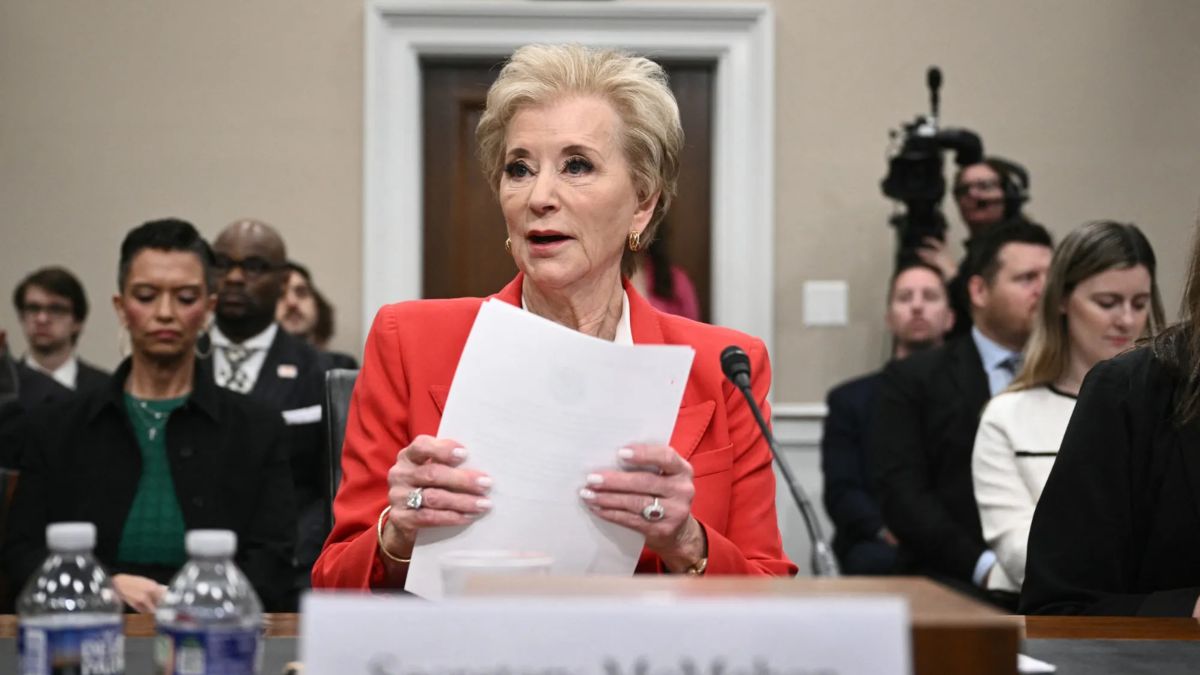

The college newsroom might seem like just another space on campus – but it’s often where critical conversations begin. Student journalists, equipped with curiosity and determination, have a long history of confronting authority through their reporting.
From exposing administrative flaws to covering student protests, campus journalism plays a vital role in shaping university culture and holding leadership accountable. Here’s a closer look at how student reporters influence change and why their work continues to be essential.
History
Campus journalism has never been limited to sports recaps or student club announcements. In fact, it’s often aligned with moments of national significance. During the 1960s and 70s, student newspapers were key platforms during civil rights movements and anti-war demonstrations. The Daily Californian at UC Berkeley, for example, became a central voice during the Free Speech Movement. At Kent State, student journalists documented the aftermath of the 1970 shootings with urgency and depth.
These weren’t just stories on paper – they were acts of civic engagement. Even today, campus publications carry forward that legacy by reporting on institutional decisions, financial controversies, and student activism.
Courage
Challenging authority within the walls of academia requires more than reporting skills. It demands integrity and resilience. Student journalists often investigate and publish stories that may be unpopular or unwelcome by university leadership. This can lead to tension, especially when administrations attempt to influence or restrict editorial content.
In several cases, students have faced administrative pressure, censorship attempts, and even budget cuts tied to editorial independence. Despite such barriers, student journalists continue to report with professionalism, aware that truth-telling is central to their role, regardless of the consequences.
Impact
The effectiveness of student journalism lies in its direct connection to the student body. A compelling article about tuition hikes or housing policy can spark dialogue, drive student-led initiatives, or attract attention from external media.
A well-known example is from the University of Georgia’s The Red & Black, where the editorial board resigned to protest administrative interference. Their actions prompted national media coverage and reignited discussions about the autonomy of student newsrooms.
The table below outlines a few outcomes triggered by student journalism:
| Event | Result |
|---|---|
| Investigative report on budget misuse | University launched internal audits and reforms |
| Coverage of campus protests | National outlets picked up the story, increasing pressure |
| Exposing gaps in support services | Led to changes in campus policies and new resources |
Digital
In the digital era, student journalism has extended its reach far beyond print. Most campus newspapers maintain online editions, publish across social media, and even produce video or audio content. This shift has allowed their reporting to gain wider visibility, including viral coverage of major campus events.
Through platforms like Twitter, Instagram, and TikTok, student reporters can engage directly with their peers and respond in real time to unfolding events. These tools also allow student publications to build their own digital brands, often becoming trusted sources within their communities.
Challenges
Despite their growing presence, student journalists continue to face familiar obstacles. Funding remains inconsistent, particularly for independent student newspapers that are not formally backed by the university. Access to public records and transparent data can also be limited.
Moreover, since these reporters are also full-time students, balancing their academic obligations with newsroom responsibilities adds another layer of pressure. Misinformation online only raises the stakes further, making accuracy and ethical standards more important than ever.
Support
Preserving the integrity and impact of campus journalism requires support from multiple stakeholders. University administrations should uphold press freedom and avoid interfering with editorial decisions. Alumni can contribute financially to student publications, and faculty can help students better understand and value independent reporting.
Readers, too, play a role. By engaging with student journalism – reading, sharing, and offering constructive feedback – they strengthen the publication’s relevance and credibility.
Campus journalism is not just training for future reporters. It is a form of public service that helps shape informed citizens within the university environment. With accurate reporting, responsible coverage, and a commitment to transparency, student journalists serve as watchdogs and storytellers, often at the heart of campus life.
FAQs
Why is campus journalism important?
It holds universities accountable and gives students a voice.
Do student journalists face censorship?
Yes, some face pressure or threats from school authorities.
Can student articles make national news?

Absolutely, many campus stories go viral or get picked up.
What tools do student journalists use today?
They use websites, social media, podcasts, and video platforms.
How can I support student journalism?
Read, share, donate, and defend their press freedom.