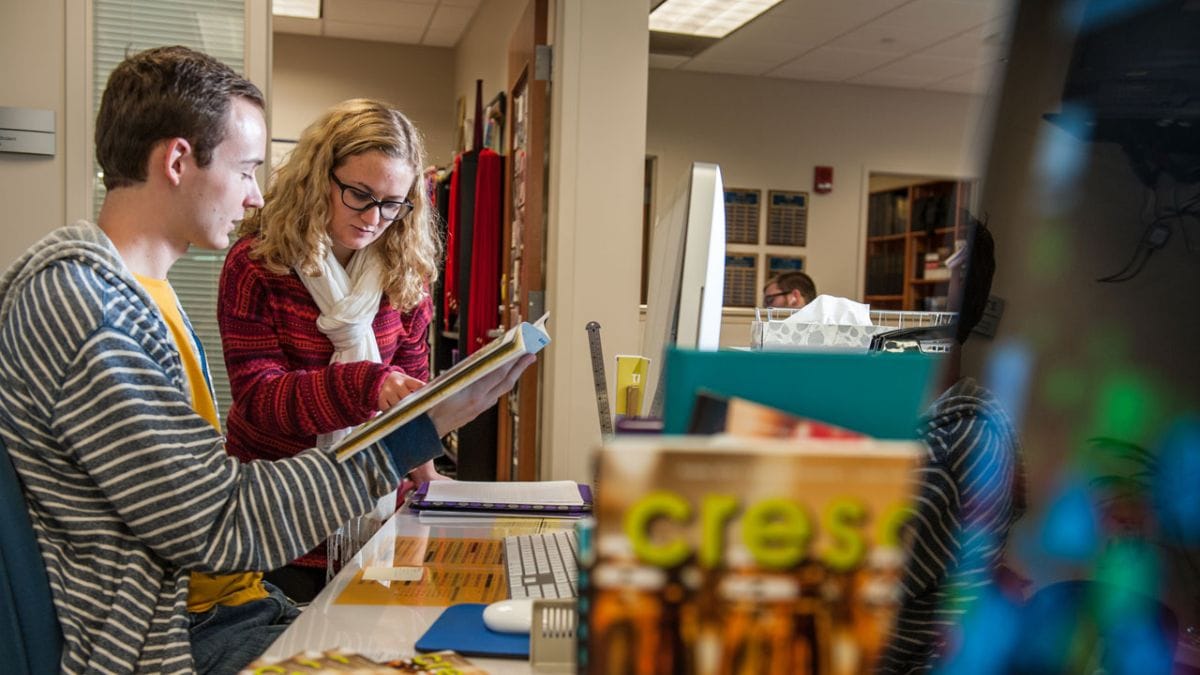
Campus media plays a powerful role in shaping student opinion, challenging authority, and holding institutions accountable. But what happens when the stories they cover involve the very people who fund or govern their existence? The relationship between student media and university administration is a complex dance – sometimes supportive, sometimes tense, and often walking the fine line between independence and oversight.
Let’s look into how student newspapers interact with university leadership, the power struggles involved, and why this relationship matters more than ever.
Dynamics
At the heart of this relationship is a fundamental tension: student media seeks editorial independence, while the administration often wants to manage the university’s public image. Some schools fully embrace journalistic freedom, treating student media as a training ground for future professionals. Others lean more controlling, seeing the campus paper as a PR risk.
The power dynamic largely depends on how the paper is funded. If it’s supported directly by the university or student government, there’s a higher risk of administrative interference. Independent publications with external funding or revenue from ads tend to have more freedom in what they can publish.
Funding
Money is a big factor in this relationship. Many student newspapers rely on university funds or student fees to operate. That means when tensions rise – especially after controversial coverage – there’s always the fear that funding could be cut or threatened.
Administrations might not directly censor content, but they can exert pressure by influencing budgets, restricting access to information, or denying interviews. In some extreme cases, student journalists have reported retaliation for publishing critical stories, including loss of funding, threats, or being locked out of meetings and data.
But some campuses support fully independent student media through non-profit models or alumni-backed foundations. These papers usually operate outside university control, giving them the freedom to report more fearlessly.
Access
Access is another point of tension. Student reporters often need interviews with university officials, statistics on enrollment or crime, or statements about policy changes. But getting access isn’t always easy. Administrators may avoid interviews, delay responses, or offer vague PR-friendly statements that don’t answer real questions.
This can be frustrating for student journalists trying to serve their peers with honest reporting. In turn, lack of access can lead to distrust and further strain the relationship. Ironically, the more transparent a university is, the better the coverage tends to be.
Support
Not all interactions are hostile. Many administrations actively support student media by offering access, respecting editorial freedom, and even providing resources like legal support or newsroom space. When the relationship is collaborative rather than combative, both sides benefit.
Good communication channels between editors and administration can help prevent misunderstandings. Some campuses have advisory boards made up of students, faculty, and staff to mediate conflicts and protect journalistic independence.
Censorship
Censorship is still a very real concern. Some universities try to silence stories they don’t like – especially those involving scandals, protests, or criticism of policies. They might remove articles, push for changes before publishing, or try to influence student editors behind the scenes.
In the U.S., public universities are bound by the First Amendment, which offers legal protections to student journalists. But private universities aren’t always held to the same standard, and that can make student reporters more vulnerable.
Student journalists often walk a legal tightrope. That’s why it’s crucial they know their rights, consult advisors, and lean on outside organizations like the Student Press Law Center when things get tricky.
Growth
Despite the challenges, the tension between student media and administration often leads to growth – on both sides. Student journalists learn how to ask tough questions, navigate bureaucracy, and stand firm under pressure. Universities, when they engage in good faith, learn to listen better, respond more transparently, and respect student voices.
Here’s a simple breakdown of how the relationship can play out:
| Factor | Positive Scenario | Negative Scenario |
|---|---|---|
| Funding | Independent or fairly managed budget | Threats to cut funds after critical stories |
| Access | Open communication with admin officials | Avoided interviews or data withholding |
| Editorial Freedom | Full independence respected | Admin pushes for changes or censorship |
| Support | Legal, educational, and logistical support | Retaliation or removal of privileges |
| Long-term Impact | Mutual trust, stronger campus accountability | Broken trust, self-censorship, tension |
When student media and administration find common ground, the campus community benefits. Students stay informed, leadership stays accountable, and everyone moves toward a more transparent, fair environment.
FAQs
Why is student media independence important?
It ensures honest reporting without admin influence.
Can a university censor student newspapers?
Public ones can’t, but private schools might try.
How do student papers get funding?

Through student fees, ads, or independent sources.
What happens if funding is cut?
Papers may downsize, go digital, or seek donations.
How can admin support student media?
By offering access, respecting freedom, and providing resources.