
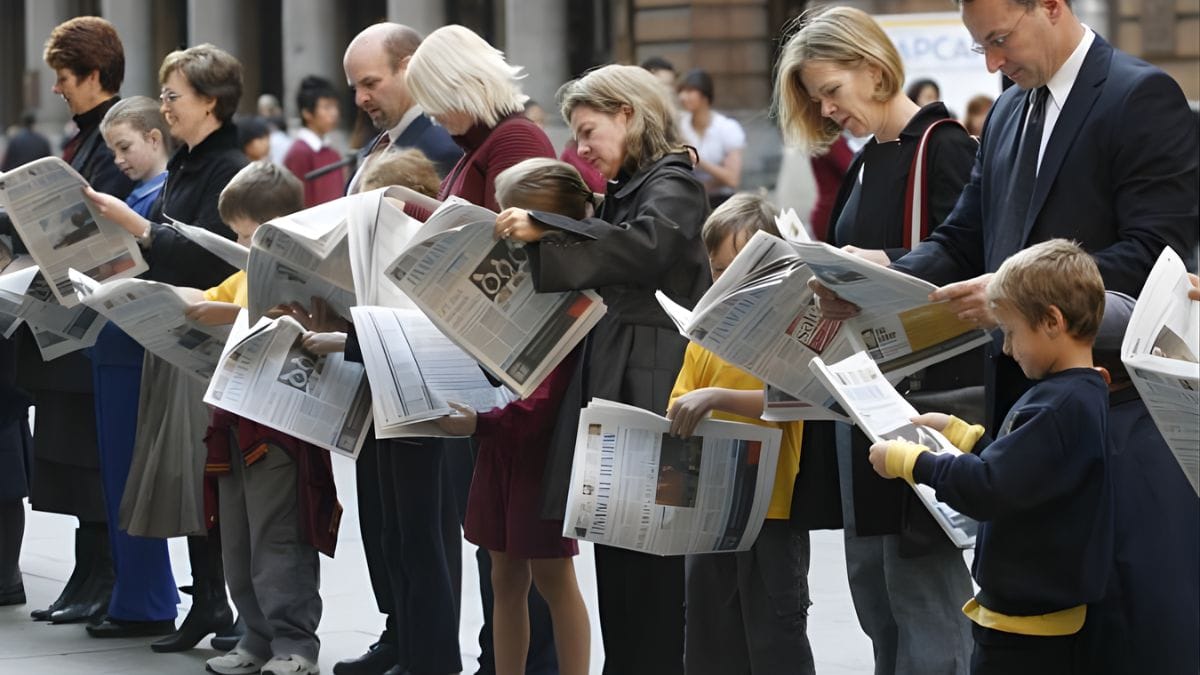
For years, speed and sensationalism seemed to dominate the news cycle. Headlines screamed for attention, and content was designed to be consumed in seconds. But something is shifting. In the age of endless scrolling and constant updates, more readers are choosing to slow down – and they’re turning back to thoughtful, in-depth journalism.
So what’s driving this return, and what does it mean for the future of news?
Saturation
The digital age brought unprecedented access to information. But with it came saturation. News feeds became a blur of updates, breaking alerts, and opinion disguised as fact. Algorithms prioritized engagement over accuracy. Readers were bombarded, not informed.
This constant flood of content has led to what many call “news fatigue.” Audiences feel overwhelmed and disconnected. Rather than feeling informed, they feel anxious – and skeptical.
Thoughtful journalism, by contrast, cuts through the noise. It offers clarity over chaos, depth over drama.
Depth
One of the clearest signs of the shift is a growing demand for long-form content. Readers are spending more time with investigative pieces, explainers, and analysis-driven reporting. These formats don’t just tell you what happened – they tell you why it matters.
Thoughtful journalism respects the reader’s intelligence. It avoids clickbait and oversimplification, offering nuance and context instead. It may not go viral as quickly, but it builds a loyal, trusting audience over time.
Trust
Trust in media has declined sharply in recent years. One reason? Shallow, reaction-driven reporting that prioritizes speed over truth. Readers are becoming more aware of this pattern – and more selective about their sources.
In-depth journalism, grounded in facts and clear sourcing, is regaining credibility. Outlets that focus on transparency, rigorous editing, and fact-checking are seeing renewed respect. Thoughtful reporting earns trust by putting substance first.
Behavior
Audience behavior is evolving. Many readers now prefer curated newsletters, subscription-based platforms, and podcast interviews that dive deep into topics rather than skim over them.
| Format | Why Readers Prefer It |
|---|---|
| Newsletters | Personalized and easy to digest |
| Long-form articles | Offers depth and better understanding |
| Podcasts | Convenient, in-depth storytelling |
| Explainers | Clarifies complex issues |
This shows a desire for journalism that informs, not just amuses. Readers are seeking quality over quantity – insight over immediacy.
Quality
Thoughtful journalism also pays more attention to the craft. Strong writing, verified facts, balanced reporting, and ethical standards all matter. These pieces are often the result of hours – or days – of work, not just minutes.
In a world where misinformation spreads fast, quality reporting becomes a safeguard. It reminds readers that good journalism takes time, and that not every story fits into a tweet or headline.
Support
Another key reason readers are returning? They want to support what they value.
Subscription-based and reader-supported journalism models have grown significantly. More people are paying for content that informs them meaningfully. They understand that responsible journalism requires resources – and they’re willing to invest in it.
Independent outlets, nonprofit newsrooms, and mission-driven media are gaining traction because they offer something the ad-driven model can’t: loyalty to the public interest, not pageviews.
Future
The return to thoughtful journalism isn’t just a trend – it’s a correction. Readers are reclaiming their time, attention, and trust. And in doing so, they’re helping shape a media landscape that values accuracy, context, and relevance.
For journalists, this is a call to refocus on the core mission: inform, not just attract. For newsrooms, it’s a reminder that lasting relationships with readers are built on substance, not speed.
Thoughtful journalism may take longer to produce – but its impact lasts longer too.
FAQs
Why is thoughtful journalism gaining popularity?
Because readers crave clarity, trust, and deeper insight.
What is news fatigue?
It’s the exhaustion caused by constant, overwhelming news.
Are readers paying for quality news?

Yes – subscriptions and donations are on the rise.
What formats support deeper journalism?
Long-reads, newsletters, podcasts, and explainers.
Can thoughtful journalism compete with viral news?
Yes – by building loyal, informed audiences over time.