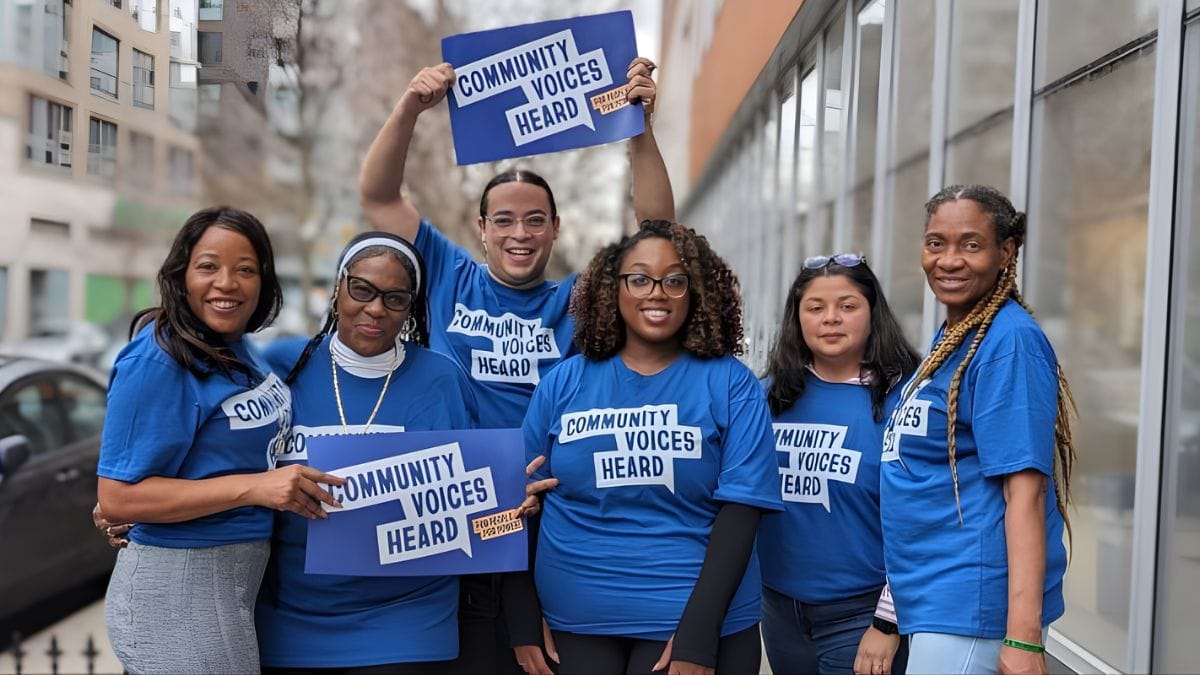
In a world flooded with headlines from big media outlets, it’s often the small, local voices that carry the most powerful stories. Grassroots storytelling and community-led journalism shine a light on people and places often ignored by mainstream media.
Whether it’s a neighborhood newsletter, a local podcast, or an Instagram page run by passionate locals, these platforms give people the chance to speak for themselves – not be spoken for.
Let’s cut into how community voices and grassroots storytelling shape narratives, build trust, and bring real change from the ground up.
Roots
Grassroots storytelling starts at the community level. It’s raw, real, and rooted in lived experience. Unlike corporate media, which often tells stories from an outsider’s perspective, grassroots media lets people tell their own truths – unfiltered and authentic.
It can take many forms: a blog run by a group of neighbors, a student-led campus magazine, a podcast in a rural town, or even spoken-word videos on social media. These stories often reflect issues that matter most to the community – housing, policing, education, cultural identity, environmental justice, and more.
Representation
One of the biggest strengths of grassroots storytelling is representation. For too long, media has been dominated by voices that don’t reflect the diversity of the real world. Community-led media helps correct that imbalance by spotlighting people of color, immigrants, LGBTQ+ voices, Indigenous communities, and others who are often overlooked.
When people see themselves represented accurately and respectfully, it builds confidence, pride, and connection. It also challenges stereotypes and shifts the narrative away from pity or shock to empowerment and truth.
Access
Traditional journalism often has gatekeepers – editors, sponsors, advertisers, and corporate interests. Grassroots media removes those barriers. Anyone with a phone, a voice, and a story can contribute.
That accessibility is huge. It means people who have never been heard before can now shape public conversations. Social media, in particular, has become a powerful tool for community storytelling, allowing videos, photos, and posts to go viral and spark real dialogue.
And while mainstream media might parachute in for a big event or crisis, grassroots storytellers are there every day – living it, seeing the nuance, and building long-term trust with their audience.
Trust
Trust is hard to earn and easy to lose. Big media often struggles with credibility, especially in marginalized communities. But grassroots media thrives on trust because it’s personal. The storyteller might be your neighbor, your classmate, or your cousin.
That closeness makes a difference. People are more likely to share sensitive stories – like discrimination, police encounters, or mental health struggles – when they know the person asking cares and understands the context. This trust leads to more honest reporting and deeper impact.
Change
Stories have the power to create change – especially when they come from the ground up. A local story about a polluted river might spark a cleanup campaign. A video of unfair housing practices could lead to a new city ordinance. A youth-led podcast on school safety might push administrators to listen.
Grassroots media isn’t just about storytelling. It’s about storytelling with purpose. And because it’s rooted in community, the impact tends to be lasting and meaningful.
Here’s a look at how grassroots storytelling compares to mainstream media:
| Feature | Grassroots Storytelling | Mainstream Media |
|---|---|---|
| Voice | Community-led, personal | Outsider, often corporate |
| Representation | Marginalized voices centered | Often underrepresents diversity |
| Access | Open, low-barrier | Limited by resources and hierarchy |
| Trust | Built through relationships | Often distrusted or distant |
| Impact | Local, direct community change | Broad, sometimes out of touch |
Growth
The rise of digital tools has given grassroots storytelling a massive boost. Mobile phones, editing apps, podcasts, blogs, and social platforms mean anyone can document what’s happening around them. And when these stories gain traction, they often get picked up by bigger outlets – giving even more visibility to community issues.
Organizations are also investing in community media training, helping locals sharpen their reporting skills, know ethics, and tell stronger, more accurate stories. These efforts empower the next generation of storytellers, activists, and change-makers.
At its heart, grassroots storytelling is about reclaiming the narrative. It’s about saying: “We don’t need someone else to tell our story. We’ve got this.”
FAQs
What is grassroots storytelling?
It’s community-led, real-life storytelling by locals.
Why is representation important?
It ensures all voices are heard and respected.
How do communities build trust in media?

By sharing stories through people they know and trust.
What tools help grassroots storytelling?
Phones, blogs, podcasts, and social media platforms.
Can grassroots stories cause change?
Yes, they often spark local activism and reform.