
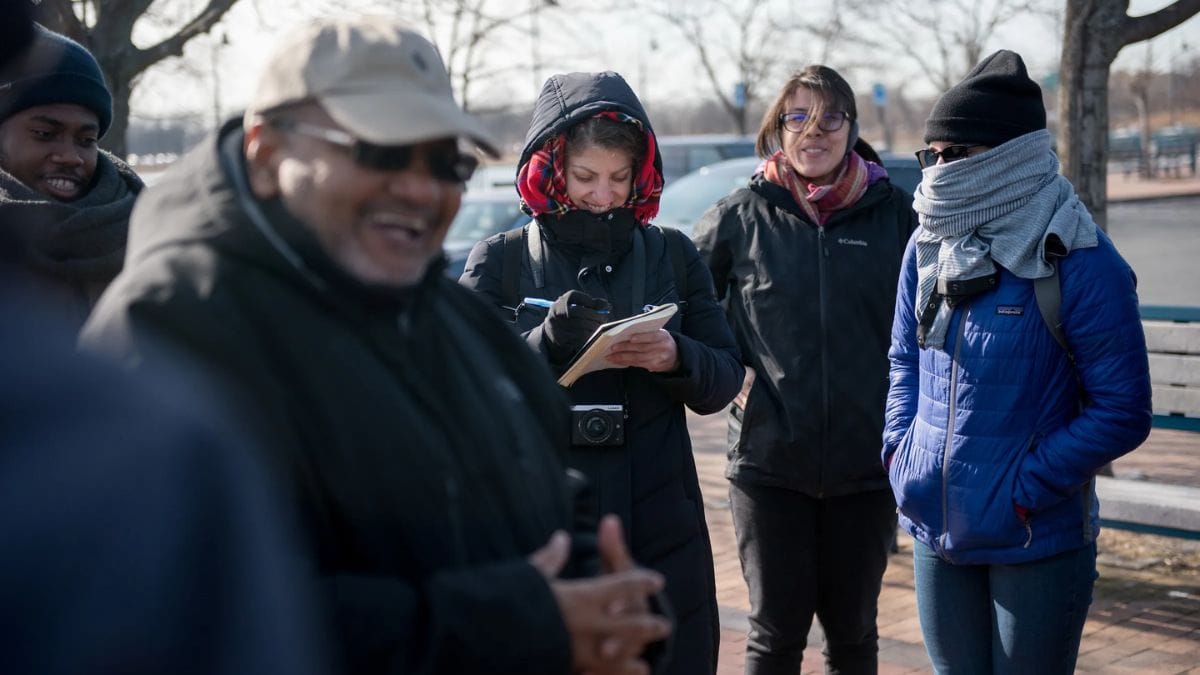
Not every important story makes it to the front page of national newspapers or the evening news. Sometimes, the issues that matter most to people are happening in their own backyards – quietly, urgently, and often unnoticed by large media outlets.
This is where community journalism steps in. Focused, local, and deeply connected to the people it serves, community journalism plays a crucial role in ensuring stories don’t slip through the cracks.
Definition
Community journalism refers to news reporting that focuses on local events, issues, and perspectives. It is produced by journalists who are part of the communities they cover – people who understand the context, the culture, and the stakes involved.
Unlike national media, which often takes a broad, generalized approach, community journalism zooms in. It tells stories about neighborhoods, schools, small businesses, and local governments.
This kind of journalism is often published in weekly papers, hyperlocal websites, community radio stations, and now increasingly through digital newsletters and social media groups.
Gaps
National media tends to focus on major headlines – elections, economic shifts, international affairs, and nationwide trends. While these stories are important, they can leave out the smaller, yet equally critical, issues that affect everyday lives.
For instance, a rural town facing water contamination might not get national coverage until the situation becomes a crisis. Or a local school board decision affecting thousands of students may go unreported beyond the county. Community journalists are the first to identify these stories, often long before they escalate into broader concerns.
Access
One of the strengths of community journalism is accessibility. Reporters are often neighbors, not distant observers. They attend town hall meetings, speak directly with residents, and understand the unique needs of their audience. This connection leads to more responsive reporting and fosters trust between the media and the community.
In areas underserved by traditional outlets – particularly rural or economically challenged regions – community journalism can be the only consistent source of local information.
Accountability
Community journalists play a key role in holding local power structures accountable. They report on city council decisions, school board meetings, zoning laws, and law enforcement activity – things that directly impact residents but may never catch the attention of national reporters.
Without this scrutiny, local officials may act without the same level of public oversight. Community reporting brings transparency and helps ensure that citizens are informed and engaged.
Representation
Local stories are also about representation. National media often overlooks minority voices, underrepresented communities, or regional cultures unless they align with a trending topic. Community journalism gives these voices a platform every day, not just when it’s convenient.
It also creates space for cultural stories, local achievements, grassroots activism, and historical preservation. This representation helps maintain the social fabric of communities and ensures that all groups feel seen and heard.
Innovation
In recent years, community journalism has evolved with digital tools. Independent newsletters, podcasts, and social media accounts now function as legitimate news platforms for local communities. Many of these are run by small teams – or even individuals – with deep ties to the area.
These innovative platforms allow journalists to bypass the traditional publishing gatekeepers, giving them more freedom to report on issues that matter locally. Crowdfunding, reader subscriptions, and nonprofit support models have also helped community journalism stay alive and adapt.
Impact
Despite its small scale, community journalism can spark big changes. Local reporting has led to criminal investigations, policy reforms, and grassroots movements. It empowers citizens with information and creates ripple effects that sometimes reach national levels.
When national outlets do eventually pick up a local story, it’s often because a community journalist first brought it to light.
Take a look at how community journalism bridges this gap:
| Issue Type | Missed by National Media | Covered by Community Journalism |
|---|---|---|
| Local elections | Often overlooked | Regular in-depth coverage |
| School board decisions | Rarely mentioned | Frequently reported |
| Zoning and development | Low priority | Ongoing coverage |
| Environmental concerns | Only large-scale crises | Early issue reporting |
| Cultural community events | Typically ignored | Regular features |
At a time when national media struggles to cover everything, community journalism remains essential. It ensures that no community is invisible, no voice is unheard, and no issue is too small. As media landscapes continue to shift, the role of community journalism becomes even more important – for truth, accountability, and meaningful storytelling.
FAQs
What is community journalism?
It’s local reporting by and for the community.
Why is it important?
It covers local issues national media often miss.
Who are community journalists?

They’re local reporters embedded in the community.
How is it different from national media?
It focuses on specific local stories, not national trends.
Where can I find community news?
In local papers, websites, newsletters, or social media.