Misinformation is not new, but the speed and scale at which it travels today are unprecedented. From social media rumors to misleading headlines, false information spreads quickly and can cause real-world harm. Newsrooms play a critical role in addressing this issue – both by correcting inaccuracies and by building public trust through responsible reporting.
In this article, we’ll look into how misinformation spreads, why it’s so effective, and how professional news organizations are responding to protect the public and the credibility of journalism.
Definition
Misinformation refers to false or inaccurate information, shared regardless of intent to deceive. It’s different from disinformation, which is deliberately spread to mislead. Both, however, can have harmful effects on public understanding and behavior.
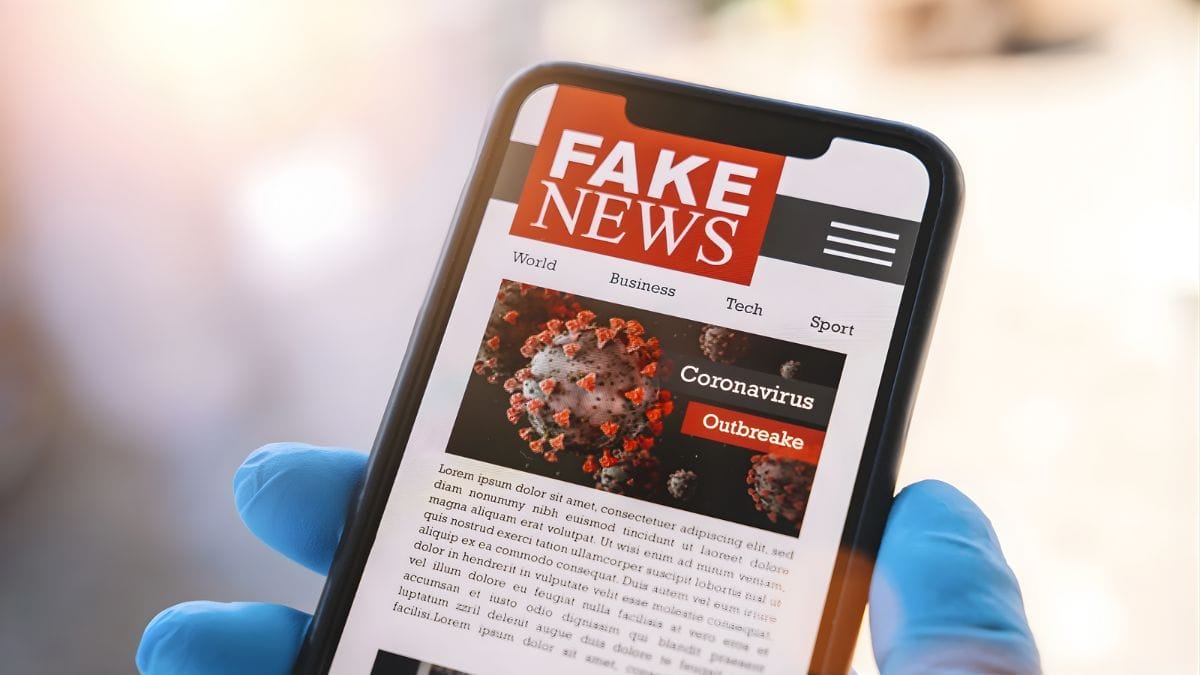
Common types of misinformation include conspiracy theories, edited images, out-of-context quotes, and fake headlines. They often gain traction because they are emotionally charged, simple to understand, or reinforce existing beliefs.
Spread
Misinformation spreads rapidly in digital environments. Social media platforms, messaging apps, and online forums allow users to share content instantly, often without verifying its accuracy. Algorithms prioritize content that is engaging – whether or not it’s true.
This dynamic favors sensational stories over verified facts. For example, a false claim about a health cure or a doctored video of a political figure can go viral before fact-checkers even see it.
Several studies have found that misinformation travels faster and farther than factual information, especially on platforms like Twitter and Facebook.
| Factor | How It Fuels Misinformation |
|---|---|
| Algorithms | Boosts content with high engagement |
| Echo chambers | Confirms user biases, limits exposure to corrections |
| Lack of media literacy | Makes users more vulnerable to false claims |
Impact
The consequences of misinformation can be significant. Inaccurate information can influence elections, damage reputations, undermine public health, and erode trust in institutions. During emergencies – such as pandemics or natural disasters – false claims can lead to panic, stigma, or harmful actions.
Misinformation also deepens societal divisions. When people rely on different “truths,” it becomes harder to find common ground. Over time, this weakens democratic processes and public discourse.
Challenges
Newsrooms face a difficult environment when it comes to countering misinformation. The volume and speed of false information make it hard to keep up. Additionally, once a false claim takes hold, corrections may not reach the same audience – or may be ignored altogether.
Journalists also risk backlash when debunking popular misinformation. Some audiences view fact-checking as partisan or biased, especially when it challenges strongly held beliefs.
Moreover, newsroom resources are often limited. Smaller or local outlets may not have dedicated fact-checkers or digital verification tools, putting them at a disadvantage.
Responses
Despite the challenges, many newsrooms have adapted their practices to address misinformation more effectively. Key strategies include:
- Fact-checking initiatives: Many organizations now employ dedicated fact-checking teams or partner with independent fact-checkers to verify viral claims and political statements.
- Transparency in reporting: Outlets are making their sources and methods more visible to help readers understand how stories are verified.
- Corrective articles: Newsrooms publish corrections or updates prominently, ensuring errors are acknowledged and fixed.
- Media literacy efforts: Some newsrooms partner with educators to teach the public how to spot misinformation and assess sources.
These efforts aim to rebuild trust and help audiences navigate an increasingly complex information landscape.
Technology
Newsrooms are also turning to technology to aid in misinformation detection. Artificial intelligence tools can help identify patterns in fake news, flag manipulated images, or detect coordinated campaigns.
For instance, tools like reverse image search, deepfake detectors, and real-time social media monitoring allow journalists to assess the credibility of viral content more quickly. However, technology alone cannot solve the problem – human judgment remains essential.
Collaboration
Combating misinformation requires collaboration beyond newsrooms. Social media companies, academic researchers, non-profits, and governments all have a role to play.
Some platforms now work with fact-checkers to label or reduce the visibility of false content. Journalism coalitions, such as the International Fact-Checking Network (IFCN), promote ethical standards and coordinate global efforts to fight disinformation.
These partnerships help amplify corrections and develop new tools for verifying information at scale.
Trust
At the heart of this issue is public trust. When audiences trust the media, they are more likely to believe accurate information and reject false claims. But trust must be earned – through consistent, fair, and transparent reporting.
Newsrooms that prioritize editorial standards, correct mistakes promptly, and engage with their audiences can build lasting credibility. In the fight against misinformation, trust may be the most effective tool of all.
Misinformation isn’t going away – but how we respond to it makes all the difference. Newsrooms that adapt, inform, and engage are helping protect the integrity of public dialogue.
FAQs
What is misinformation?
False or inaccurate information, shared without intent to mislead.
How does misinformation spread?
Mainly through social media algorithms and user sharing.
How do newsrooms respond to it?

They fact-check, correct errors, and educate readers.
What role does technology play?
AI tools help detect fake content, but human judgment is key.
Why is public trust important?
It encourages acceptance of facts and reduces misinformation’s reach.