
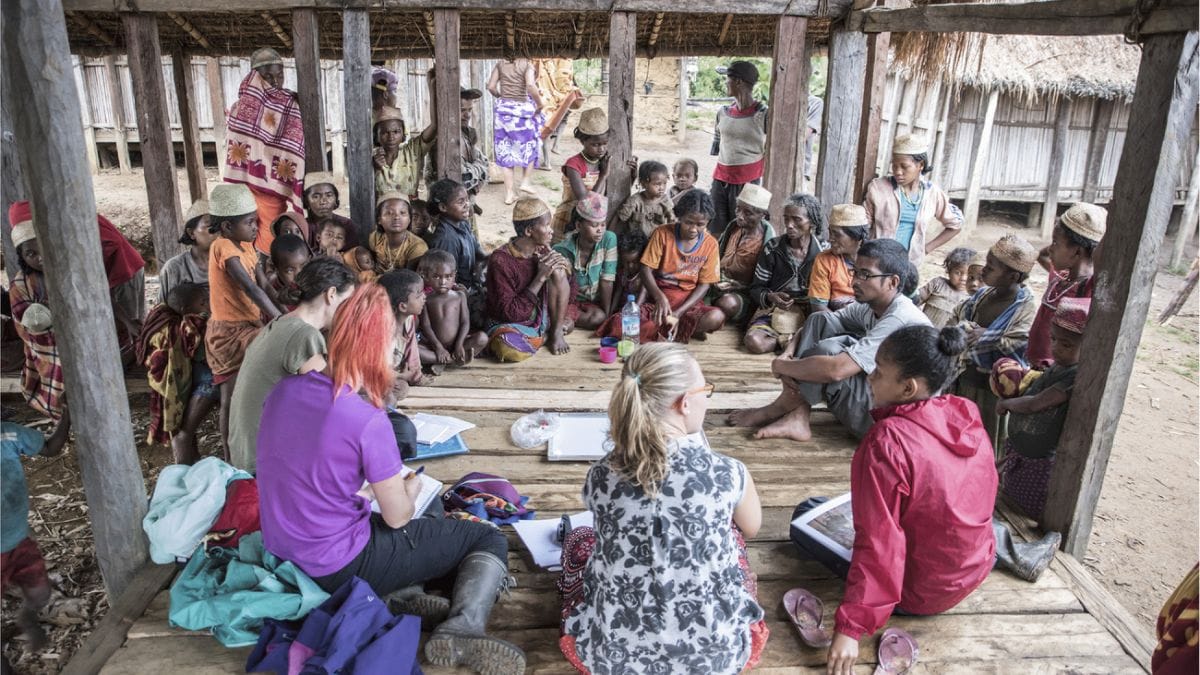
In a world dominated by national headlines and global news, the stories that often shape our daily lives are found much closer to home. Local storytelling – reported from the ground up – remains one of the most powerful forms of journalism.
Whether it’s a city council vote, a neighborhood clean-up, or the journey of a local entrepreneur, these stories build community, increase accountability, and give voice to everyday people. Here’s why grassroots reporting still matters and how it continues to shape public life.
Foundation
Local journalism is built on the foundation of proximity and trust. Unlike national outlets that cover broad trends, local reporters live in the communities they cover. They know the local context, the key players, and the unique challenges and strengths of the area.
This deep connection allows them to spot stories others might miss. It also makes them more accountable – when your audience includes your neighbors, accuracy and fairness aren’t optional. Local journalists don’t just report on a place – they are part of it.
Relevance
What makes local storytelling so relevant today? Simply put, it covers what directly affects people’s lives. From school board decisions and traffic changes to public health updates and local elections, these stories influence daily routines and long-term decisions.
Big media can’t always cover the micro-level developments that communities need to know. Local journalism fills that gap by focusing on stories that matter most to residents. It’s about being seen, heard, and informed right where you live.
Voice
Local reporting also gives a platform to voices that often go unheard. Marginalized communities, small business owners, and local leaders get a chance to share their experiences and insights. These stories help paint a fuller picture of a community – not just its problems, but its progress, culture, and resilience.
By amplifying these voices, local journalism helps foster knowing and builds bridges between different groups within a community. It creates a public record that reflects the diversity and depth of real life.
Impact
Reporting from the ground up has real consequences. Local stories can lead to policy changes, uncover corruption, and mobilize communities. When local media exposes poor infrastructure, misused funds, or inequality in services, it often sparks conversations and actions that wouldn’t have happened otherwise.
Here’s a snapshot of how local storytelling drives change:
| Story Type | Common Outcome |
|---|---|
| Reporting on public safety issues | Improved services or increased oversight |
| Investigating local government | Policy changes or administrative resignations |
| Covering community initiatives | Increased volunteerism and fundraising |
| Highlighting underrepresented voices | Boosted awareness and social impact |
Evolution
To stay effective, local journalism has evolved with technology. Print isn’t the only format anymore. Local reporters now use blogs, podcasts, social media, and video platforms to reach their audiences.
This digital evolution has both widened their reach and improved accessibility. News can now be shared quickly and interactively, with readers providing feedback or sharing their own experiences. It makes the news process more of a conversation than a broadcast.
Challenges
Despite its value, local storytelling faces significant hurdles. Financial sustainability remains the biggest concern. Many local outlets struggle to generate enough revenue, especially as advertising shifts to digital giants and subscriptions alone can’t cover all costs.
In addition, small newsrooms often have limited staff and resources, which can make in-depth reporting difficult. The threat of misinformation and the need for digital literacy further complicate the landscape.
Still, many journalists continue the work – often with limited resources – because they believe in its importance. Their dedication keeps local stories alive and relevant.
Support
Local storytelling doesn’t survive without community support. Readers can subscribe, donate, share stories, and attend public meetings. Organizations and businesses can advertise or sponsor local journalism projects. Schools can teach students the value of civic media and even contribute to local reporting efforts.
These stories matter because they come from the ground up – from real people in real places. When we support local journalism, we’re not just supporting the news. We’re supporting our own communities.
FAQs
What is ground-up reporting?
It’s journalism that starts with local, community-level stories.
Why is local storytelling important?
It informs residents and reflects the community’s real issues.
Can local news drive change?

Yes, it often leads to policy shifts and public engagement.
How is local journalism evolving?
It now includes digital formats like podcasts and social media.
How can I support local journalism?
Subscribe, share stories, donate, and participate in local news.