
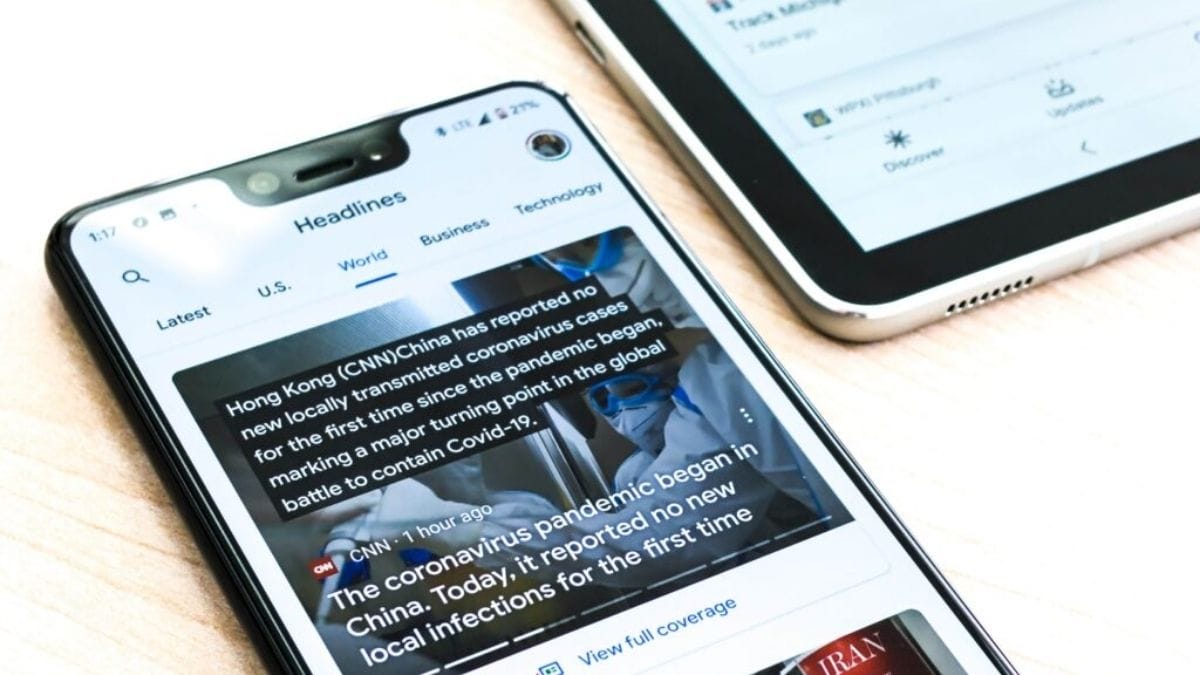
The rise of social media has transformed how people consume news – and journalism has had to evolve just as quickly. With platforms like X (formerly Twitter), Facebook, Instagram, TikTok, and YouTube shaping public discourse, traditional journalism has entered a new era of speed, interactivity, and public scrutiny. News is no longer confined to the printed page or evening broadcast. It now moves in real time, across feeds, shared by anyone with a smartphone.
But how exactly is journalism adapting in this fast-moving digital landscape? Let’s look into the key ways social media has reshaped news production, distribution, and engagement.
Speed
Social media has increased the demand for immediate news. Journalists now compete not just with other outlets, but with citizen journalists, influencers, and viral posts. To stay relevant, newsrooms have had to accelerate their reporting processes.
While breaking news can now be shared in seconds, this speed brings risks. Errors can spread just as fast. As a result, journalists must strike a balance between being first and being right – fact-checking under pressure while still meeting the audience’s appetite for real-time updates.
Accessibility
One major advantage of social media is accessibility. News can reach wider, more diverse audiences at little cost. Traditional barriers to information – such as print subscriptions or cable access—are lower than ever.
Social platforms allow journalists to reach readers where they already are, whether on their phones during a commute or scrolling at night. This expanded reach helps ensure that more people can stay informed, particularly younger audiences who rely on digital sources.
Engagement
Unlike traditional media, social media allows for two-way communication. Journalists can now interact directly with readers – responding to comments, answering questions, and even sourcing tips or story ideas from the public.
This shift in engagement builds stronger relationships between reporters and communities. It also increases transparency and accountability, as readers can challenge, critique, or contribute to coverage in real time.
Personalization
Social media algorithms tailor news feeds to individual preferences. While this can keep users more engaged, it also creates echo chambers – where people only see content that aligns with their views.
Journalists now must consider how to reach across divides and present balanced coverage in a highly personalized environment. The challenge is making important stories visible even when algorithms don’t prioritize them.
Multimedia
Social media encourages multimedia storytelling. Reporters are now expected to share news through videos, graphics, reels, threads, and even memes. These formats help simplify complex topics and capture attention in short time spans.
Adapting to this shift has pushed journalists to develop new skills – shooting videos, editing content for mobile, or writing for visual-first platforms. Newsrooms increasingly hire social media editors, video producers, and digital strategists to meet this demand.
Verification
With misinformation spreading rapidly online, verification has become a critical part of modern journalism. Journalists now spend significant time debunking false claims, tracing sources, and correcting viral inaccuracies.
Many newsrooms have dedicated fact-checking teams, especially during elections or crises. The responsibility of separating fact from fiction is more urgent – and more difficult – than ever before.
Independence
Social media has empowered individual journalists to build their own audiences. Reporters now cultivate personal brands, share behind-the-scenes insights, and sometimes operate independently from traditional outlets.
While this increases visibility and trust for some, it also raises questions about bias, editorial standards, and accountability. The line between journalist and influencer continues to blur, prompting a reexamination of ethics and roles.
Journalism’s Shifts in the Social Media Age
| Area | Adaptation in Journalism |
|---|---|
| Speed | Faster reporting, real-time updates |
| Accessibility | Wider audience reach through mobile platforms |
| Engagement | Two-way interaction with readers |
| Personalization | Adapting content for algorithm-driven feeds |
| Multimedia | Use of videos, reels, graphics for storytelling |
| Verification | Increased focus on fact-checking |
| Independence | Journalists building personal followings |
Journalism in the age of social media is more dynamic, accessible, and interactive than ever before. But it also faces unique challenges – accuracy, trust, and the fight against misinformation. As platforms continue to evolve, journalists must adapt not just in how they report the news, but in how they connect with readers, maintain ethics, and uphold the principles of a free press.
FAQs
How has social media changed journalism?
It made news faster, more interactive, and widely accessible.
Why do journalists use multimedia?
To engage users with videos, graphics, and short formats.
Does social media affect news accuracy?

Yes, speed pressures increase risk of errors.
What is an echo chamber in news?
A feed showing only views similar to the user’s beliefs.
Are journalists becoming influencers?
Some build personal brands and engage audiences directly.