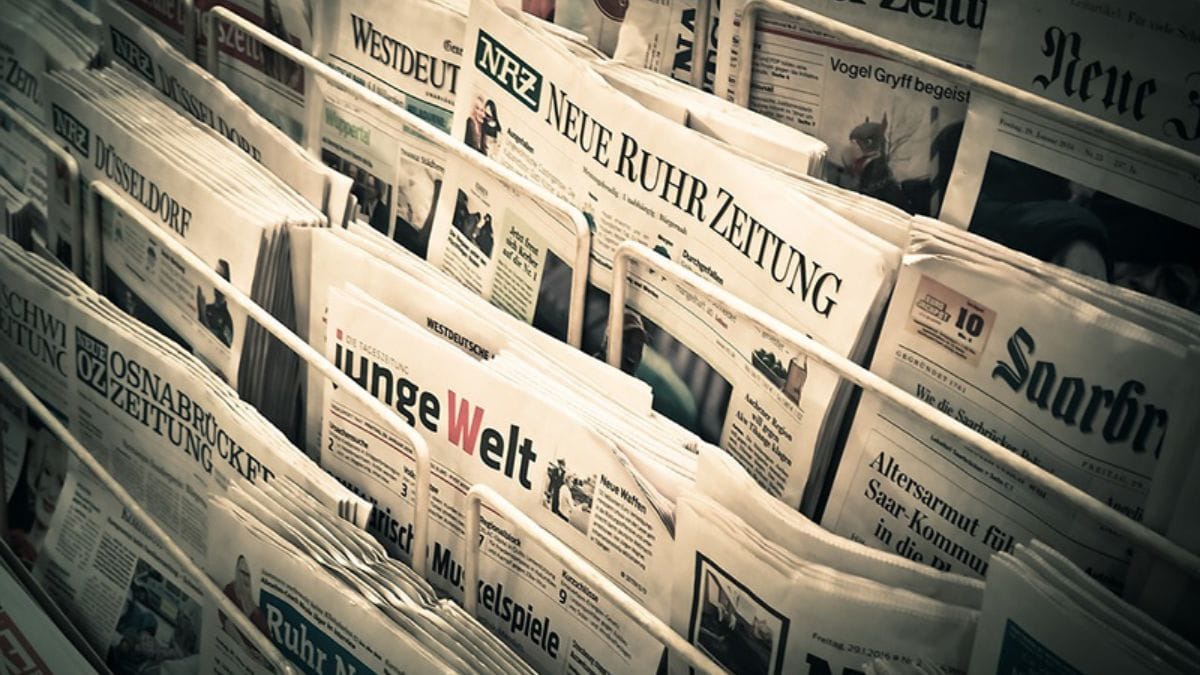
The way we consume news has changed dramatically. There was a time when people waited for the morning paper or tuned in to the evening news. Today, news reaches us instantly – on our phones, through social media, and across multiple platforms.
But with this speed has come a shift: from simply wanting the “breaking” headline to seeking deeper context and meaning. The modern news audience is evolving, and so is the news itself.
Shift
The digital age brought with it a flood of information. Breaking news alerts now pop up dozens of times a day. But while speed was initially the top priority, many consumers are now pausing to ask: What does this mean? Why should I care?
Audiences today are looking beyond the first headline. They want to understand the bigger picture. This has pushed many news outlets to move from rapid updates to more analytical, thoughtful reporting. The cycle hasn’t just accelerated – it’s matured.
Overload
With more access comes more noise. The average person is exposed to hundreds of news items daily. Social media, news apps, email digests, and even smart speakers deliver constant updates. It’s easy to feel overwhelmed.
This information overload has a downside: it can cause confusion, fatigue, and disengagement. When every story is “breaking,” it becomes harder to focus on what really matters. In response, many consumers are now curating their news intake, turning to trusted sources, and choosing quality over quantity.
Trust
Trust in the media has taken a hit in recent years, partly due to misinformation, partisan coverage, and sensational headlines. As a result, audiences are more selective. They seek sources that explain rather than just report.
Long-form journalism, explainer articles, and data-driven reports have grown in popularity. People want transparency, sourcing, and context – not just speed. The outlets that provide it are seeing stronger, more loyal followings.
Depth
News consumers today are increasingly seeking depth over immediacy. Many prefer a well-researched article over a quick tweet. Podcasts, newsletters, and documentary-style content are gaining traction because they offer room to explore complex issues.
This shift reflects a broader change in how people relate to news. Instead of being passive receivers of headlines, more readers are becoming active learners – asking questions, fact-checking, and diving deeper.
Habits
The evolution of news is also changing our habits. Instead of watching the nightly news, people listen to daily podcasts while commuting, scroll curated feeds during lunch, or read newsletters over morning coffee. News is now woven into daily routines in personalized, on-demand formats.
Here’s a quick look at the contrast in how news consumption has changed:
| Element | Traditional News Era | Modern News Consumption |
|---|---|---|
| Access | Scheduled (TV, print) | Instant (mobile, online) |
| Format | Headlines, brief stories | In-depth, multi-format |
| Engagement | Passive viewing | Interactive, curated |
| Source Trust | Established brands | Niche, verified sources |
| User Behavior | Wait for updates | Seek context and clarity |
Impact
These changing habits are influencing how news is produced. Many media outlets are investing in explanatory journalism, fact-check teams, and data visualization. Some have even launched “slow news” initiatives – prioritizing accuracy and reflection over breaking first.
Journalism schools are also adjusting. They now train future reporters not just to deliver facts quickly, but to tell stories clearly, responsibly, and with nuance. The goal is no longer just to break news – it’s to build understanding.
Future
The future of news consumption likely lies in balance. Instant updates won’t go away, but they will be paired with deeper dives and thoughtful follow-ups. Consumers will continue to demand clarity, credibility, and context.
As newsrooms evolve and audiences become more discerning, the path forward is clear: not just faster, but smarter news. Knowing is becoming just as important as information – and that’s a healthy shift for journalism and democracy alike.
FAQs
Why is news shifting from breaking to depth?
Audiences now want context, not just speed.
What causes news fatigue today?
Constant alerts and information overload.
How are habits changing with news?

People prefer curated, on-demand news formats.
What is explanatory journalism?
Reporting that provides background and context.
What’s the future of news consumption?
Balanced, informed, and deeper storytelling.