
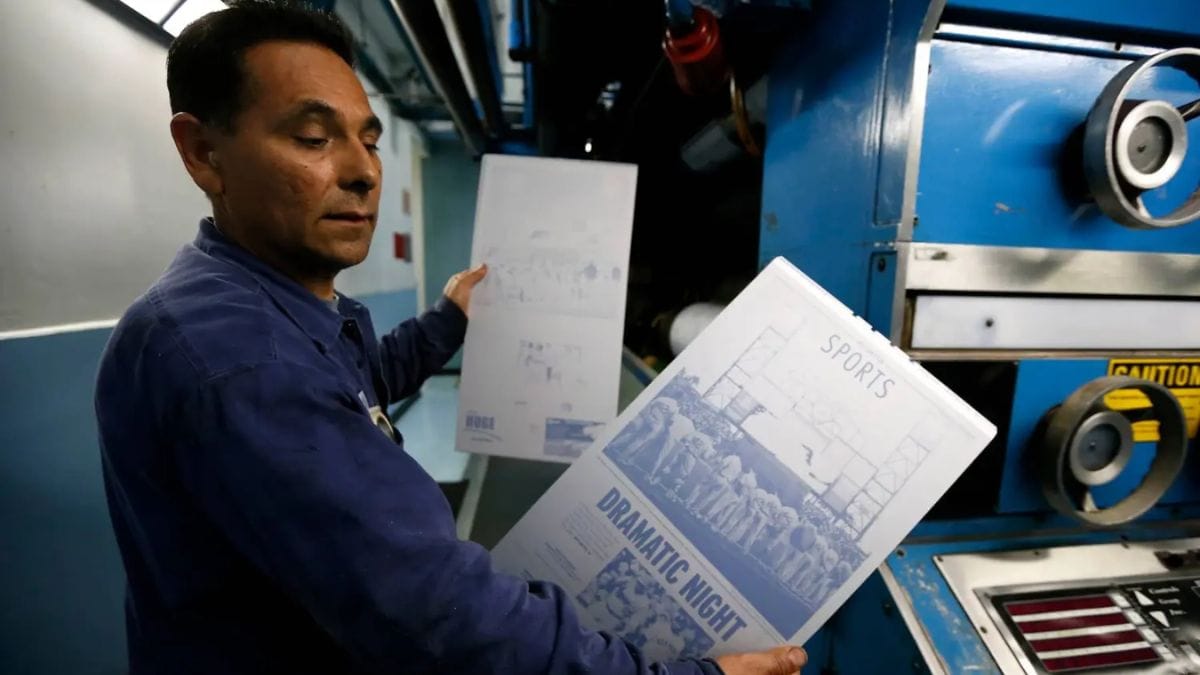
Once the heart of local news, community newspapers now face an uncertain future. As readers shift to digital platforms and advertising dollars migrate online, many small-town papers are struggling to keep their presses running.
But despite these challenges, community journalism continues to adapt, finding new ways to stay relevant and valuable to their audiences. Let’s look into how local papers are navigating the digital age while preserving their essential role in society.
History
Community newspapers have long served as a trusted voice in towns and neighborhoods across the country. These papers didn’t just report news – they chronicled daily life, celebrated local achievements, and held local institutions accountable. Whether covering a school board meeting, a local sports game, or a council decision, community papers delivered news that mattered to the people living next door.
Historically, these papers were printed weekly or biweekly and relied on local advertising and subscriptions for revenue. For decades, they were the main information source for small communities, with strong personal ties between readers and reporters.
Disruption
The digital revolution hit local journalism hard. Online platforms began offering free news, and classified ads – once a major income stream for newspapers – moved to websites like Craigslist. As national and global outlets grew their online reach, community papers faced steep competition for attention and revenue.
Many small papers were forced to shut down, merge with others, or significantly reduce their staff. News deserts – areas with no local news coverage – started growing. The loss wasn’t just about jobs or printing presses. It meant fewer watchdogs keeping an eye on local government, businesses, and schools.
Relevance
Despite the challenges, community newspapers remain deeply relevant. What they offer can’t always be replaced by big media outlets. National news rarely reports on local zoning issues, neighborhood crime, or school policy debates. Community papers provide the kind of ground-level reporting that connects directly with readers’ lives.
More than that, they foster a sense of identity and belonging. Local obituaries, sports highlights, and community events might not trend online, but they matter to the people involved. That personal touch – the ability to reflect a community back to itself – is something algorithms and national headlines can’t replicate.
Digital
To survive, many community papers have embraced the digital shift. They’ve launched websites, email newsletters, and social media accounts to reach readers where they are. Some now offer digital-only subscriptions or hybrid models that combine online content with limited print editions.
Digital tools also help local journalists engage with their readers more directly. Platforms like Facebook and Twitter allow real-time updates, while podcasts and video interviews offer fresh formats for storytelling. These strategies not only expand reach but also keep younger readers involved.
Challenges
Transitioning to digital isn’t easy, especially for small operations with tight budgets. Website development, digital marketing, and tech tools cost money and require new skills. At the same time, online ad revenue rarely matches what print once brought in.
Staffing is another issue. Many community papers operate with skeletal teams, and burnout is common. The pressure to produce fast, accurate, and engaging content on multiple platforms can stretch resources thin.
Trust is also on the line. With misinformation circulating online, readers need reliable, local voices more than ever. But if community newspapers lack the support to operate independently and ethically, their ability to serve that role weakens.
Support
The future of community newspapers depends on sustained community support. Subscriptions, donations, and advertising partnerships make a real difference. Readers can also help by engaging with stories, sharing content, and participating in local news efforts.
Philanthropic models are starting to gain traction. Some nonprofit newsrooms have emerged to fill gaps, supported by foundations and local donors. Meanwhile, journalism schools and public-interest groups are investing in training programs and collaborations to help keep community reporting alive.
Ultimately, preserving local journalism isn’t just about nostalgia. It’s about ensuring transparency, civic participation, and informed communities. Even in a digital world, there’s still a vital place for the small-town paper – whether it arrives in your mailbox or your inbox.
FAQs
Are community newspapers still relevant?
Yes, they cover local news often ignored by major outlets.
Why are local papers shutting down?
Loss of ad revenue and digital competition are major reasons.
How are small papers going digital?

They use websites, social media, newsletters, and podcasts.
Can community journalism be nonprofit?
Yes, many now operate with donor or foundation support.
How can I support my local paper?
Subscribe, donate, advertise, and share their stories online.