
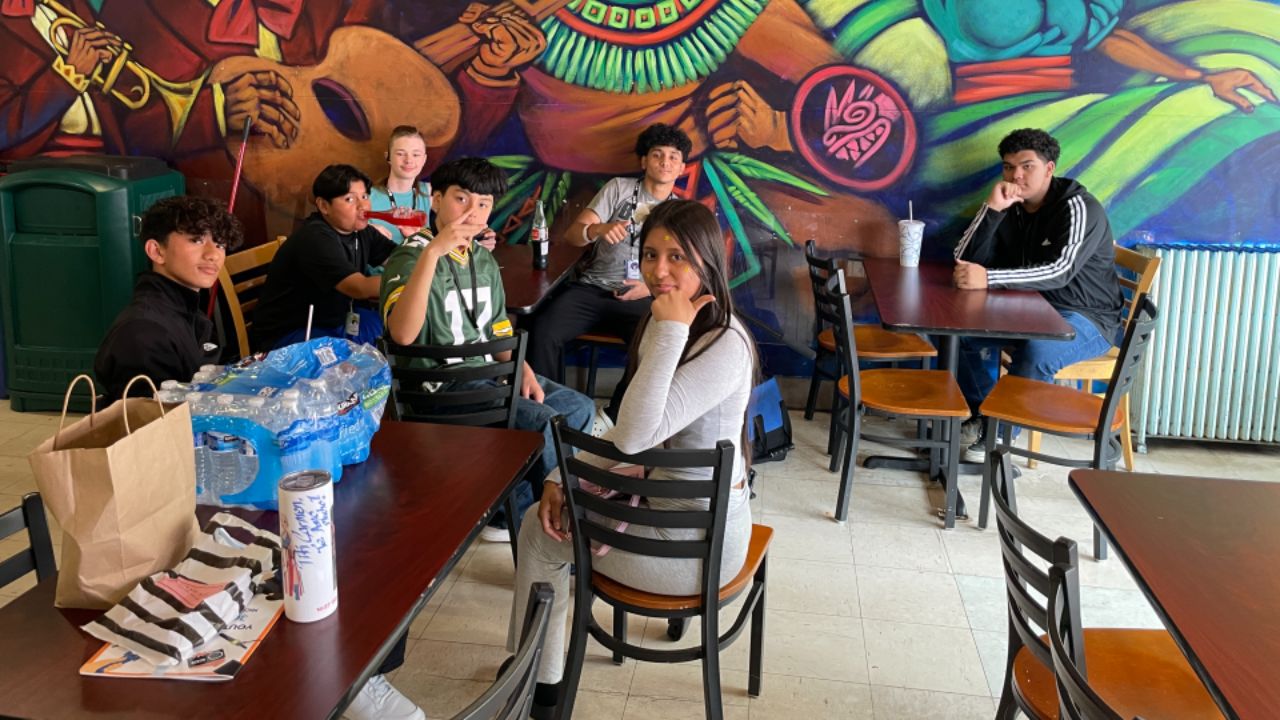
The modern media environment is increasingly shaped by large national and global corporations. Consolidation has streamlined distribution and expanded digital reach, but it has also raised concerns about local representation, diversity of perspectives, and accountability. Community journalism has emerged as a counterbalance, focusing on local issues, grassroots voices, and neighborhood-level reporting.
Community journalism does not aim to replace large media organizations. Instead, it complements them by filling gaps in local coverage and offering perspectives that might otherwise remain underrepresented. In an era of rapid information flow, localized reporting remains essential to democratic engagement and informed citizenship.
Context
Media consolidation has reduced the number of independent newsrooms in many regions. Cost pressures, advertising declines, and digital disruption have contributed to newsroom closures, particularly in small towns and rural areas.
As local reporting declines, communities may experience reduced oversight of municipal governance, school boards, and public services. This phenomenon is often referred to as the emergence of “news deserts.”
Community journalism addresses these gaps by focusing on:
| Coverage Area | Community Impact |
|---|---|
| Local Government | Increased transparency |
| Education | Informed parental engagement |
| Public Health | Accessible community guidance |
| Small Business | Economic visibility |
| Cultural Events | Strengthened social cohesion |
Localized coverage supports civic participation and community awareness.
Independence
Community journalism often operates independently or through nonprofit models. Smaller organizational structures can enable editorial flexibility and closer relationships with audiences.
Independence allows community outlets to prioritize stories based on local relevance rather than national audience metrics. This can strengthen trust and reader engagement.
However, independence also requires sustainable funding strategies. Many community newsrooms rely on membership models, grants, local sponsorships, or crowdfunding initiatives.
Representation
One of the strengths of community journalism is its capacity to represent diverse voices. Local reporters are often embedded within the communities they cover. This proximity supports culturally informed reporting and nuanced storytelling.
Representation in community journalism may include:
- Coverage of marginalized populations
- Multilingual reporting initiatives
- Youth journalism programs
- Collaboration with local advocacy groups
By amplifying underrepresented perspectives, community journalism contributes to inclusive dialogue.
Accountability
Accountability journalism at the local level can influence governance outcomes. Reporting on municipal budgets, public contracts, and policy implementation increases transparency.
Smaller outlets may focus on:
| Accountability Focus | Reporting Outcome |
|---|---|
| City Council Decisions | Public scrutiny and debate |
| School Board Policies | Parental awareness |
| Zoning and Development | Community input |
| Public Spending | Financial transparency |
When residents have access to reliable local reporting, democratic participation tends to improve.
Digital
Digital platforms have lowered barriers to entry for community journalism. Online publishing tools, social media channels, and newsletter platforms allow small teams to reach audiences efficiently.
Digital transformation also introduces challenges, including misinformation and revenue instability. Community outlets must balance speed with verification standards.
Digital tools commonly used include:
- Email newsletters
- Community forums
- Podcast platforms
- Social media engagement channels
Effective digital strategies can expand audience reach while maintaining local focus.
Challenges
Community journalism faces financial and operational constraints. Limited staff capacity may restrict investigative depth. Advertising competition with large platforms can reduce revenue streams.
Common challenges include:
- Funding sustainability
- Technology infrastructure costs
- Recruitment of skilled journalists
- Audience growth in competitive digital markets
Addressing these challenges often requires collaboration among civic institutions, educational organizations, and philanthropic entities.
Collaboration
Partnership models can strengthen community journalism. Collaborations between local outlets and larger media organizations may enhance investigative capacity and distribution reach.
Universities and journalism schools frequently support community reporting initiatives through student involvement and research resources. Shared content networks can reduce duplication and increase efficiency.
Collaborative ecosystems improve resilience while preserving editorial independence.
Trust
Public trust in media has fluctuated in recent years. Community journalism can strengthen trust through proximity and direct engagement. When reporters attend local meetings, interact with residents, and respond to feedback, credibility increases.
Trust-building practices include:
| Practice | Impact |
|---|---|
| Transparent Sourcing | Increased credibility |
| Corrections Policies | Reinforced accountability |
| Open Editorial Meetings | Enhanced public engagement |
| Community Feedback Forums | Strengthened dialogue |
Local presence fosters familiarity and accountability.
Community journalism plays a critical role in balancing concentrated media structures. By focusing on local governance, representation, and community engagement, it supports democratic processes and social cohesion.
While financial and operational challenges persist, digital tools and collaborative models offer pathways to sustainability. In a complex media environment, community journalism provides essential localized insight and reinforces the value of diverse perspectives in public discourse.
FAQs
What is community journalism?
Local reporting focused on community issues.
Why is it important?
It increases transparency and civic engagement.
How is it funded?

Through memberships, grants, and sponsorships.
Does it replace big media?
No, it complements national coverage.
Can digital tools help local journalism?
Yes, they expand reach and engagement.