
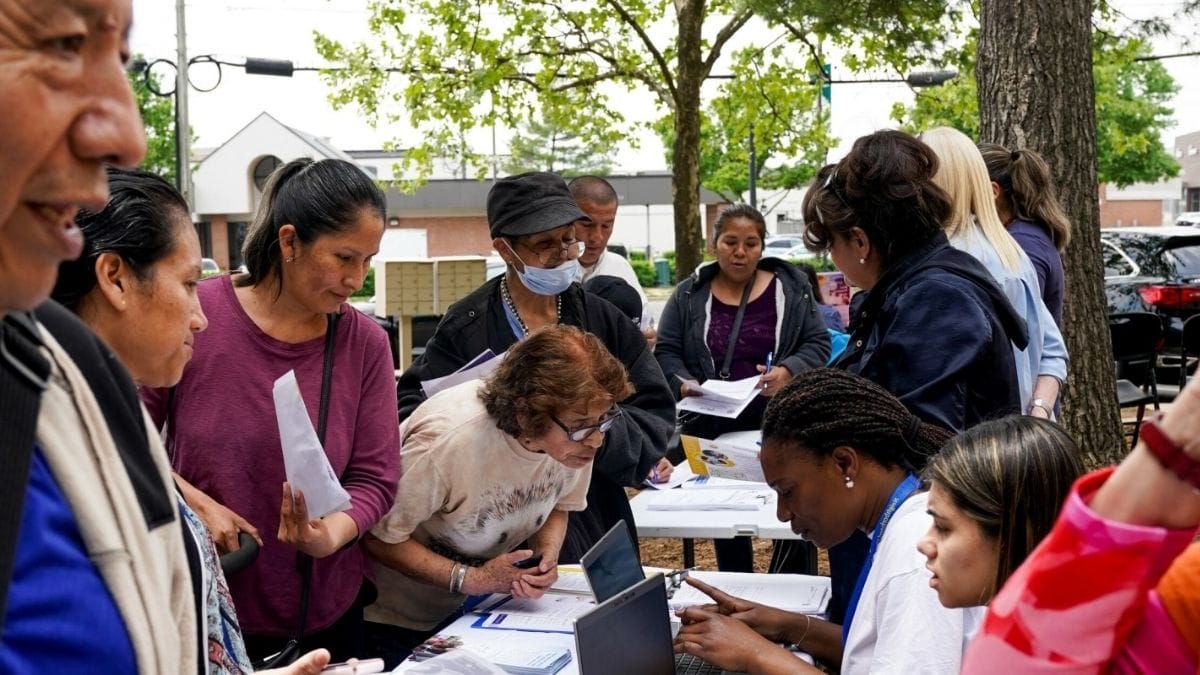
Responsible reporting is at the heart of journalism that serves the public good, especially when it comes to addressing community concerns. In times of crisis, controversy, or change, how reporters cover local stories can either inform and empower – or mislead and divide. Responsible journalism ensures that the truth is pursued with fairness, accuracy, and sensitivity to the people most affected.
Let’s look into how responsible reporting can build trust, promote dialogue, and support solutions when covering the issues that matter most to communities.
Accuracy
The foundation of responsible reporting is accuracy. Every fact matters – whether it’s a statistic, a quote, or the spelling of a name. Misinformation, even if unintentional, can distort public understanding and lead to poor decisions.
Journalists must double-check sources, confirm statements, and avoid assumptions. This careful approach not only ensures credibility but also helps the community make informed choices based on reliable information.
Balance
Responsible reporting means presenting different sides of an issue. Communities are rarely united in their opinions, and coverage should reflect that diversity of thought.
By including multiple perspectives – residents, officials, experts, and affected groups – journalists create a more complete picture. This balance encourages readers to consider views other than their own, fostering empathy and productive discussion.
Sensitivity
Many community concerns involve people facing hardship or distress – natural disasters, crime, housing struggles, or health crises. Reporting on these topics requires care and compassion.
Responsible journalists avoid sensationalism. They focus on facts without exploiting pain. They respect privacy, use appropriate language, and avoid reinforcing stereotypes. Sensitivity ensures that coverage informs without harming.
Accountability
Good journalism holds the powerful to account – but also accepts accountability itself. When a mistake is made, responsible reporters correct it. They engage with readers, respond to criticism, and update information when needed.
This transparency builds trust. When a news outlet owns its errors and remains open to feedback, it strengthens its relationship with the community it serves.
Context
Without context, even accurate reporting can be misleading. A rise in crime rates might sound alarming until you understand the broader trends. A protest might seem disruptive until you learn the reasons behind it.
Responsible reporting adds context. It explains background, historical relevance, and potential consequences. This helps readers make sense of complex issues, not just react to headlines.
Engagement
Responsible journalism doesn’t end with publishing a story – it often starts conversations. Journalists who engage with the community through interviews, town halls, and social media listen to public concerns and questions.
This feedback loop makes reporting more relevant. It ensures that stories reflect real-life experiences and that future coverage addresses what the community cares about most.
Constructiveness
While journalism is not activism, responsible reporting can support solutions. Highlighting community-led initiatives, reporting on policy responses, and offering space for public dialogue helps move discussions forward.
Constructive reporting doesn’t ignore problems—it contextualizes them and shows paths to progress. This empowers communities rather than leaving them feeling helpless.
Elements of Responsible Reporting
| Element | Why It Matters for Community Coverage |
|---|---|
| Accuracy | Builds trust and avoids misinformation |
| Balance | Reflects all sides of a community issue |
| Sensitivity | Protects dignity and avoids exploitation |
| Accountability | Encourages transparency and credibility |
| Context | Provides deeper understanding of events |
| Engagement | Strengthens connection with local voices |
| Constructiveness | Promotes solutions and informed dialogue |
Responsible reporting is more than just telling the story – it’s about how the story is told and why it matters. By committing to accuracy, fairness, and compassion, local journalists serve as trusted messengers between institutions and the public. In doing so, they help communities navigate challenges, understand diverse perspectives, and work toward common ground.
FAQs
What is responsible reporting?
It is accurate, fair, and respectful journalism.
Why is sensitivity important in news?
It protects those affected and avoids harm.
How do journalists ensure accuracy?

They verify facts, sources, and data thoroughly.
What does balance mean in reporting?
Including multiple views on the same issue.
Can news support solutions?
Yes, by highlighting responses and community efforts.