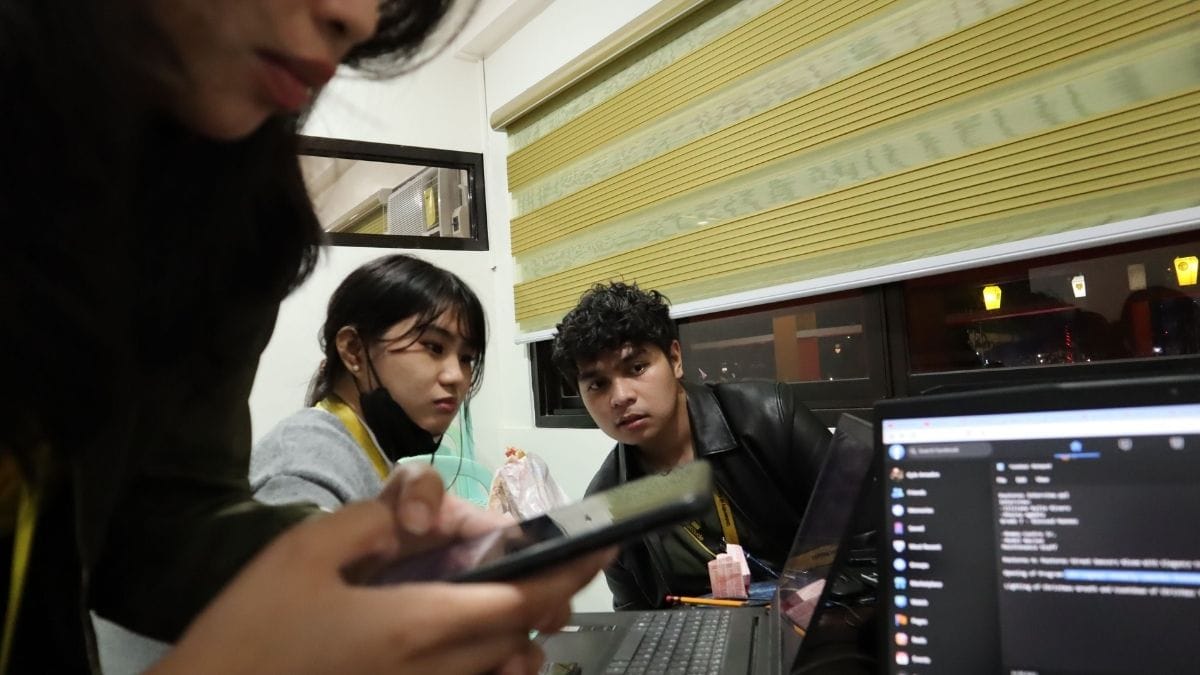
Campus journalism isn’t just about covering school events or writing opinion pieces for a student audience – it’s where many of the world’s top reporters first sharpened their skills. For aspiring journalists, working on a student-run publication is like joining a mini-newsroom with real deadlines, ethical dilemmas, and editorial decisions.
It’s not just practice – it’s the foundation of a career in reporting. Let’s look into how campus journalism prepares students for the real world of media and why it remains one of the best training grounds for future reporters.
Skills
Campus journalism builds essential skills that every reporter needs. We’re talking about more than just writing – student journalists learn how to think critically, cut deep, and work under pressure.
Here’s what students gain hands-on experience in:
- Interviewing sources and asking the right questions
- Investigating issues with curiosity and responsibility
- Fact-checking every detail before hitting publish
- Writing and editing clear, compelling stories
- Meeting deadlines – even with a full class schedule
It’s the same toolkit used in professional newsrooms, learned on a smaller but equally intense scale.
Pressure
Student journalists may not face the same pressure as war correspondents, but campus reporting comes with its own unique stress. Juggling school, work, and reporting isn’t easy – and it teaches the importance of time management fast.
They learn how to:
- Work late into the night finishing a story
- Handle public criticism from students or faculty
- Cover breaking stories like protests or policy changes on campus
These high-pressure situations mirror the real-world demands of professional journalism.
Ethics
One of the most valuable lessons campus journalism teaches is ethics. Students quickly realize that their words have consequences, even if they’re writing for a college newspaper.
They face questions like:
- Should we name the student involved in a scandal?
- How do we cover controversial topics without bias?
- What’s the right balance between reporting and protecting privacy?
Making these decisions early helps future reporters develop a strong ethical compass – something that’s critical in today’s media climate.
Independence
Campus newspapers often run independently of school administrations, especially at the college level. That means students take charge – from assigning stories to setting editorial policy.
This independence teaches:
- Leadership
- Decision-making
- Accountability
It also gives students the freedom to pursue tough stories, which builds confidence in standing up for truth – even when it’s unpopular.
Innovation
Today’s student journalists aren’t just working with paper and pens. They’re launching podcasts, running social media accounts, editing videos, and building websites.
The newsroom is now digital, and students are leading the charge.
They learn:
- Multimedia storytelling
- SEO and headline writing
- Social media engagement
- Analytics and audience targeting
These are modern journalism skills that are in high demand – and students get a head start.
Mentorship
Many campus journalism programs are guided by faculty advisors or alumni mentors. These pros offer valuable feedback, connect students with internships, and provide industry insight.
For many aspiring journalists, that first mentor came through their student newsroom – offering the kind of support that shapes careers.
Portfolios
Campus journalism provides more than experience – it builds a portfolio.
By the time students graduate, they often have:
- Published articles
- Edited pieces
- Multimedia projects
- Interviews and investigative work
This makes them stand out when applying for jobs or internships. Editors love seeing candidates with real clips and proven commitment.
Campus journalism is more than just an extracurricular – it’s an education in action. It turns curious students into confident reporters. It teaches the real-world skills, ethics, and experience that journalism schools and employers look for. And most importantly, it builds the kind of resilience and responsibility that every good journalist needs.
For future reporters, the campus newsroom is where the journey begins – and for many, where the passion truly starts to grow.
FAQs
What do students learn in campus journalism?
They learn reporting, editing, ethics, and news judgment.
Is campus journalism good for careers?
Yes, it builds experience and strong portfolios.
Do campus journalists face deadlines?

Absolutely, they work under tight time constraints.
Can student papers be independent?
Many operate independently from school administration.
Do campus journalists use digital tools?
Yes, they work with video, SEO, and social media.