
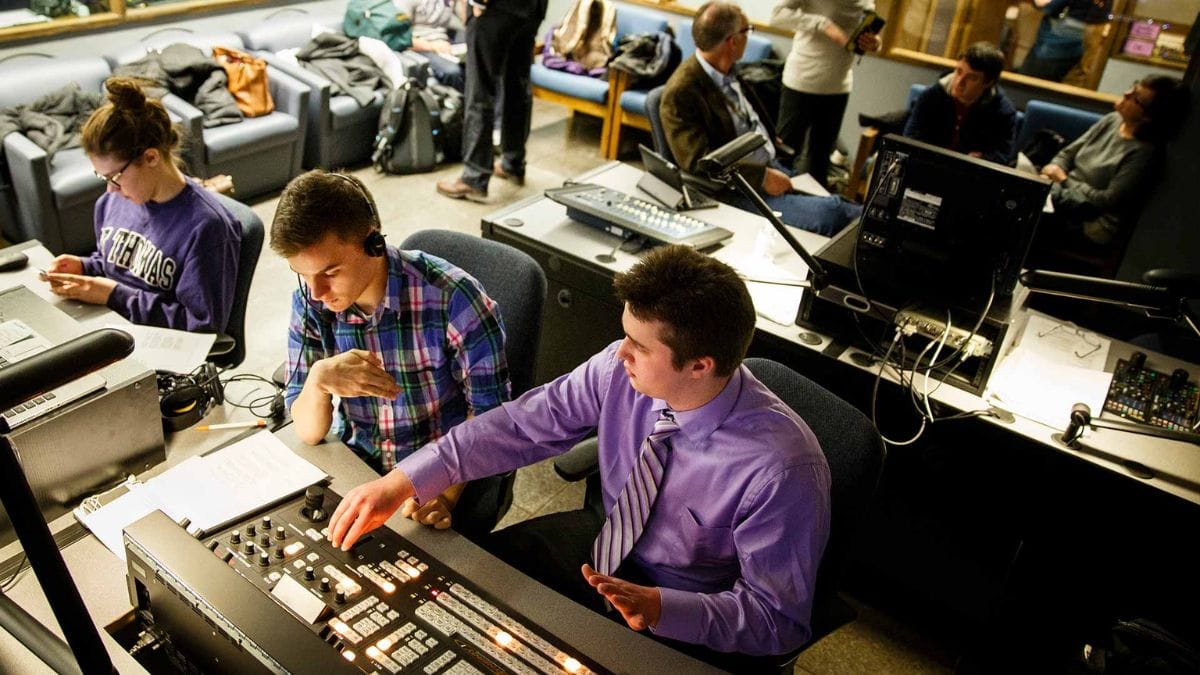
Student journalism plays a significant role in shaping campus discourse, promoting transparency, and holding institutional leadership accountable. Though often perceived as a stepping stone for aspiring media professionals, student-led reporting is, in many cases, the first line of public oversight within academic communities.
From investigating administrative decisions to covering campus protests, student journalists provide information that is not only relevant to their peers but also essential for ensuring institutional integrity. Their work has repeatedly demonstrated its ability to influence policy and spark conversations that otherwise may have been avoided or suppressed.
Watchdogs
Student journalists often act as independent monitors of university operations. They cover decisions made by the administration, student government, and other influential campus bodies. Through consistent reporting, they bring attention to issues that may not be visible to the broader student population.
Many impactful stories on topics like financial mismanagement, campus safety lapses, or faculty misconduct have originated from student publications. These stories frequently lead to public statements, investigations, and, in some cases, broader media coverage. In this way, student journalism contributes to a culture of accountability within educational institutions.
Access
Accessing accurate information is one of the key challenges student journalists face. While public universities are subject to freedom of information laws, private institutions are not always obligated to release internal records. Despite this, student reporters often use interviews, anonymous sources, and university meeting minutes to piece together reliable stories.
There have been cases where student journalists were denied interviews or data requests, underscoring the institutional resistance they may face. However, their persistence in pursuing information often results in important insights being brought to light.
Exposure
The act of publishing a well-researched article often creates immediate impact. Campus communities, from students and faculty to parents and alumni, rely on these stories to stay informed. Once published, these reports can shift public perception and generate significant discussion both on and off campus.
Coverage of protests, for example, is a key function of student media. By documenting these events with context and clarity, journalists provide a public record that encourages a more informed understanding of student concerns and administrative responses.
Balance
While investigative reporting is a critical function, student journalism also includes coverage of positive developments. Highlighting academic achievements, community initiatives, and cultural events contributes to a more comprehensive view of campus life.
This balanced approach strengthens credibility. When readers see that a publication reports responsibly on both successes and challenges, it reinforces the perception of the outlet as fair and trustworthy.
Challenges
Student journalists often work under tight constraints. Limited budgets, part-time staff, and the need to balance academic responsibilities can affect the depth and frequency of reporting. Moreover, the fear of administrative retaliation or peer criticism may influence editorial decisions.
Despite these obstacles, student newsrooms continue to operate with a strong commitment to accuracy and ethics. The experience gained in these environments also prepares many young journalists for professional careers in media and public affairs.
Impact
Examples from various institutions highlight the tangible results of student reporting:
| University | Story Reported by Student Journalists | Outcome |
|---|---|---|
| Northwestern | Hazing in athletic programs | National coverage, internal review |
| Syracuse | Racist remarks in secret fraternity recordings | Chapter suspended, policy discussions |
| Harvard | Investments in controversial sectors | Community debate, calls for reform |
These stories illustrate that even at the student level, journalism can lead to institutional changes, public awareness, and long-term improvements in policy and culture.
The presence of an active, informed student press contributes significantly to campus oversight. By consistently reporting on key issues, student journalists help ensure that decisions made by university leadership are subject to public scrutiny. This function is vital to the health of any academic community.
FAQs
What is the purpose of student journalism?
It informs the campus community and holds university leadership accountable.
Do student journalists face barriers to information?
Yes, they often encounter limited access, especially at private universities.
Can student journalism influence university policy?

Yes, it can lead to investigations, reforms, and policy discussions.
What topics are commonly covered?
Topics include campus safety, financial decisions, protests, and faculty conduct.
Is student journalism legally protected?
It depends on the country and type of institution, especially public vs. private.