
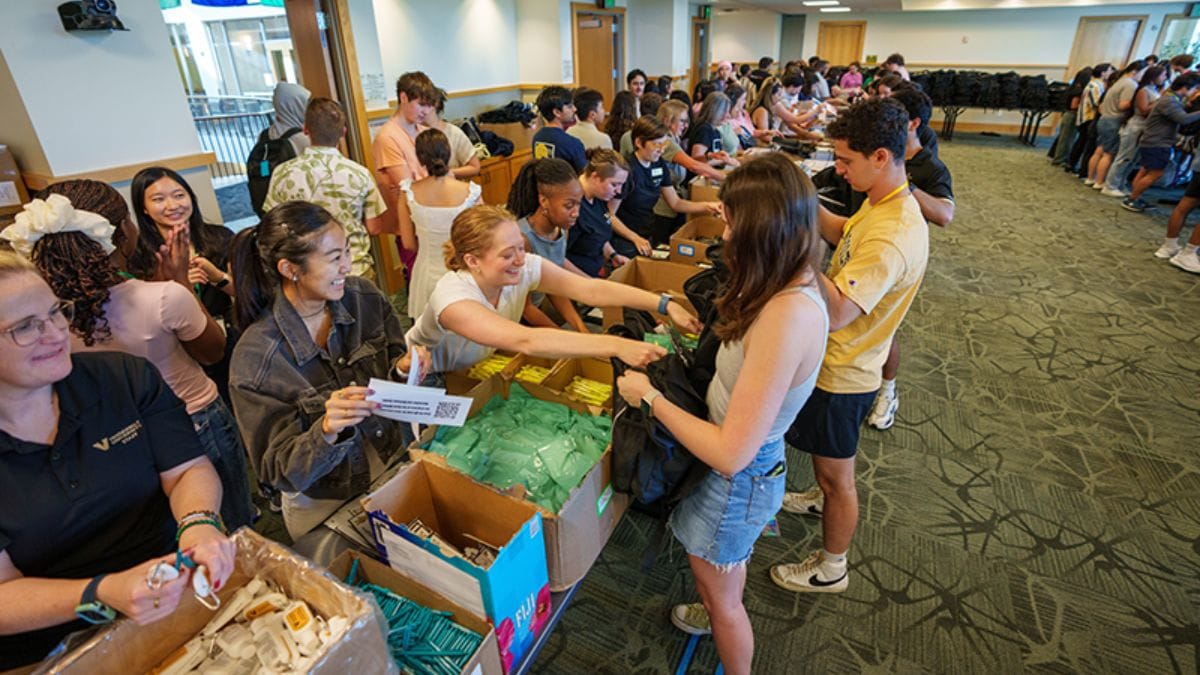
Universities and colleges are more than academic institutions—they’re vital parts of the cities and towns that surround them. Whether located in urban centers or small towns, campuses influence and are influenced by their surrounding communities.
The relationship between the two is complex, evolving, and increasingly important. From economic development and housing to culture and public services, the connection between campuses and local communities affects both students and residents alike.
Integration
Most universities are deeply integrated into their communities. In many cases, the campus acts as a central hub for social, economic, and cultural activity. Students, faculty, and staff often live, shop, eat, and engage in local life. Similarly, community members may attend campus events, access university facilities, or work at the institution.
This physical and functional integration blurs the boundaries between campus and community. In college towns, especially, the local identity is often shaped by the university’s presence. However, this integration also requires cooperation and communication between both sides.
Economy
One of the most immediate and visible connections is economic. Universities generate jobs, attract investment, and drive local business activity. They hire thousands of employees, from faculty to maintenance staff, and they attract students who spend money on housing, food, entertainment, and services.
Local businesses often rely on the university population for much of their revenue, especially in towns where the campus is a primary economic driver. Meanwhile, universities benefit from local infrastructure, transportation, and workforce support.
Research institutions also bring in grants, attract startups, and create innovation ecosystems that fuel long-term regional development.
Housing
Housing is one of the areas where the campus-community relationship can become strained. A growing student population increases demand for rental housing, often driving up costs and reducing availability for long-term residents. This can lead to tension, especially in neighborhoods near campus.
On the other hand, universities also invest in student housing and work with city planners to manage growth. Some institutions partner with local governments to create mixed-use developments that serve both students and the wider community.
Maintaining a balanced approach to housing is key to preserving good relations and ensuring that both students and residents can find affordable, livable options.
Services
Campuses and communities often share public services—like transit, safety, and utilities—which means coordination is essential. For example, local police and campus security might collaborate on safety issues, or public transportation systems may serve both student commuters and local residents.
In times of emergency, such as natural disasters or public health crises, universities often become important partners in community response efforts. They may offer shelter, healthcare support, or communication resources to assist local authorities.
This interdependence shows that universities are not separate entities, but active players in community wellbeing.
Culture
Cultural exchange is another vital link. Universities contribute to local culture through lectures, performances, art exhibitions, sports, and public events that residents can attend. In return, the local community brings diversity, tradition, and real-world experience to the campus environment.
This mutual enrichment helps students gain a broader knowing of the world beyond campus, while residents benefit from exposure to new ideas, innovation, and academic resources.
In many cases, community members take university courses, access libraries, or use recreation centers—further blending the campus and community experience.
Tensions
Despite shared interests, friction sometimes arises. Common sources include noise, student behavior, traffic, and concerns about the university’s expansion. These issues often reflect broader concerns about equity, inclusion, and mutual respect.
To address tensions, many universities create community liaison offices, neighborhood councils, or regular town-gown meetings. These initiatives aim to listen to residents, share plans transparently, and work together on solutions.
Successful relationships are built on trust, dialogue, and shared goals—not one-sided growth.
Partnerships
The most impactful campus-community relationships are rooted in partnership. Universities and local governments often collaborate on everything from economic development plans to sustainability projects. Community-based research and service-learning programs also allow students and faculty to engage directly with local needs.
These partnerships not only improve local outcomes but also strengthen the university’s relevance and accountability. A university that is seen as a good neighbor earns long-term support from its community.
| Area | Campus Impact | Community Impact |
|---|---|---|
| Economy | Jobs, research funding, spending | Local business growth, innovation |
| Housing | Student demand, development pressure | Rising costs, zoning changes |
| Services | Shared transit, safety, utilities | Infrastructure strain or support |
| Culture | Events, ideas, access to resources | Diversity, tradition, local input |
| Partnership | Service programs, joint projects | Stronger local engagement |
FAQs
How do campuses impact local economies?
They create jobs, attract spending, and support small businesses.
Why is housing a shared concern?
Student demand affects rental prices for the entire community.
What services are shared?

Transit, safety, and public utilities often serve both groups.
Do universities help during crises?
Yes, they often assist with shelter, healthcare, and resources.
How can towns and schools work together?
Through partnerships, open dialogue, and joint planning efforts.